
Sri Lanka announces daily raids after death of elephant Kavanthissa — Mongabay
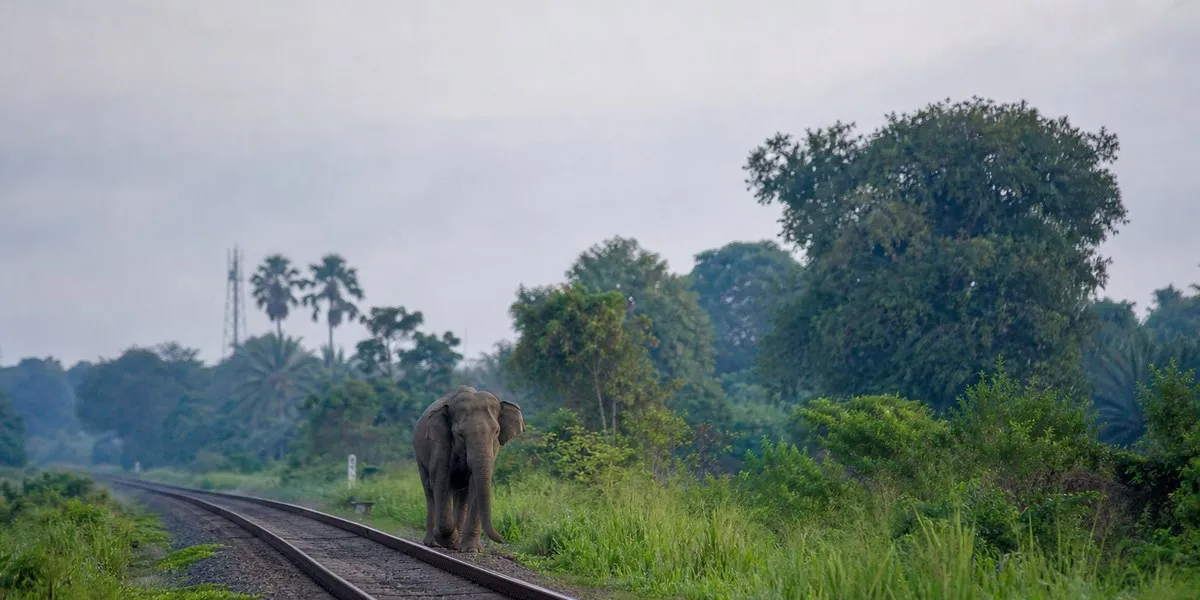
Sri Lankan authorities have announced daily raids to seize illegal weapons and combat wildlife crimes following the death of the wild elephant Kavanthissa in the Galgamuwa area. The animal was considered the tallest elephant on the island. Kavanthissa died on October 16; a gunshot wound to his right front leg is cited as the likely cause of death, although the official autopsy report has not yet been released, Mongabay reports.
A well-known elephant from Galgamuwa
Kavanthissa lived in the Galgamuwa area of Sri Lanka’s North Western Province, where the conflict between people and elephants continues to intensify. Local residents described him as calm and said that he had not attacked people during his lifetime.
The elephant and the herd that crossed railway tracks near Kasikote became known on social media and attracted visitors. According to Sri Lanka’s Department of Wildlife Conservation, 976 wild elephants died from gunshot wounds between 2010 and May 2026. The agency also cites electrocution, the use of jaw bombs, poisoning, railway accidents and road accidents among other causes of death.
More current news is available on the UA.News Telegram channel Telegram.
Committee discussed response procedures
Ranjan Marasinghe, director general of the Department of Wildlife Conservation, said that the agency has resources and funding for conservation work. According to him, patrols detect illegal weapons and other unlawful activity in protected areas every day.
Following public criticism, the government established an expert committee. At its first meeting on October 21, participants discussed developing scientifically based standard procedures for a rapid response to similar cases. They also discussed creating a rapid veterinary response unit for prompt interventions in field conditions.
Prithiviraj Fernando, head of the Centre for Conservation and Research, links elephants’ movement onto agricultural land to deforestation. According to Marasinghe, about 70% of the country’s elephants live outside protected areas. Meanwhile, animal welfare groups in Thailand are calling on their country’s authorities to return two elephants gifted to Sri Lanka.




