
NATO publishes requirements for preparing for a prolonged crisis for the first time — Fortune
NATO has publicly released updated baseline resilience requirements for member states for the first time, intended to help them prepare for a prolonged crisis. They provide for ensuring the security and well-being of the population, continuity of government, and the ability to manage a mass influx of people.
Fortune reported this, citing the Alliance's updated requirements dated September 17. Such documents had been circulated within NATO for about a decade, but in 2026 they were made publicly available for the first time. NATO explained that it seeks to broaden the community involved in resilience issues and develop a common understanding of the relevant efforts.
Continuity of government operations
Among the requirements is the availability of infrastructure for national defense and continuity of government. Member states must ensure the operation of a crisis management center protected physically and from environmental impacts so that critical services can continue to be provided.
More current news is available on the UA.News Telegram channel Telegram.
The document also provides for resilient energy supplies and the ability to control organized and unorganized movement of people, including in the event of a mass influx of population. It separately identifies the need for functioning transport systems and protected civilian communications services.
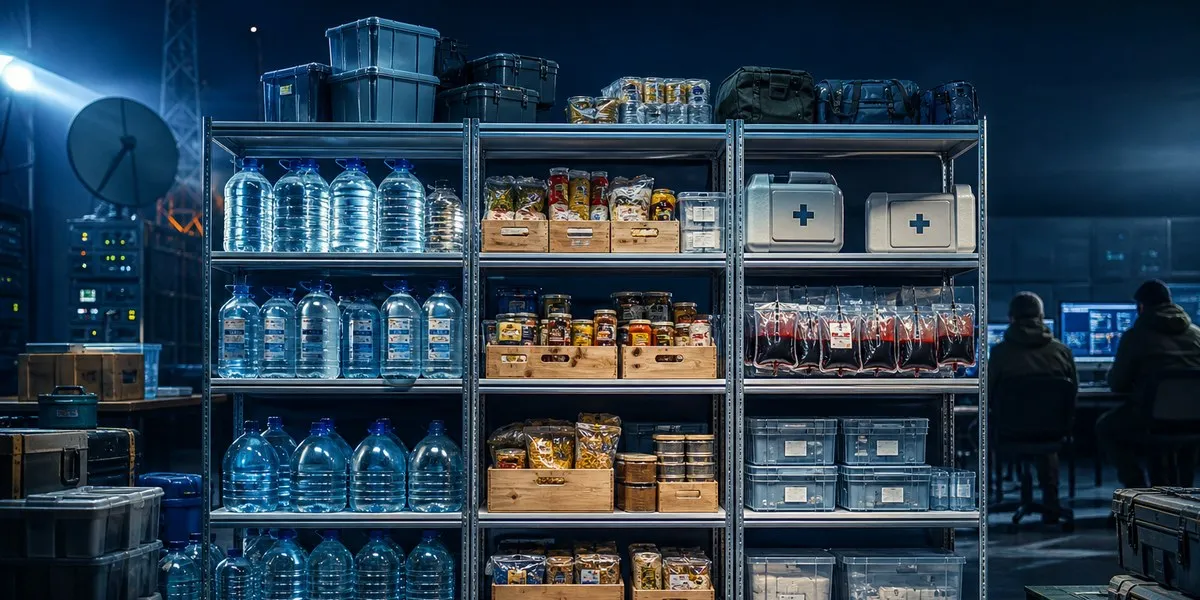
Stocks of water, food and blood
NATO pointed to the need to maintain food and water supplies during a prolonged crisis. The fifth baseline requirement concerns preparedness for mass casualties and healthcare crises. It provides for creating a comprehensive database on the capabilities and capacities of the civilian and military emergency medical system.
The Alliance also recommends creating stockpiles of blood, pharmaceuticals and other medical supplies and arranging their delivery. In the introduction to the updated requirements, NATO stated that allies are strengthening resilience due to more frequent hybrid attacks on societies, infrastructure and digital networks.




