
Scientists urge Ecuador to combat marine iguana smuggling — Mongabay
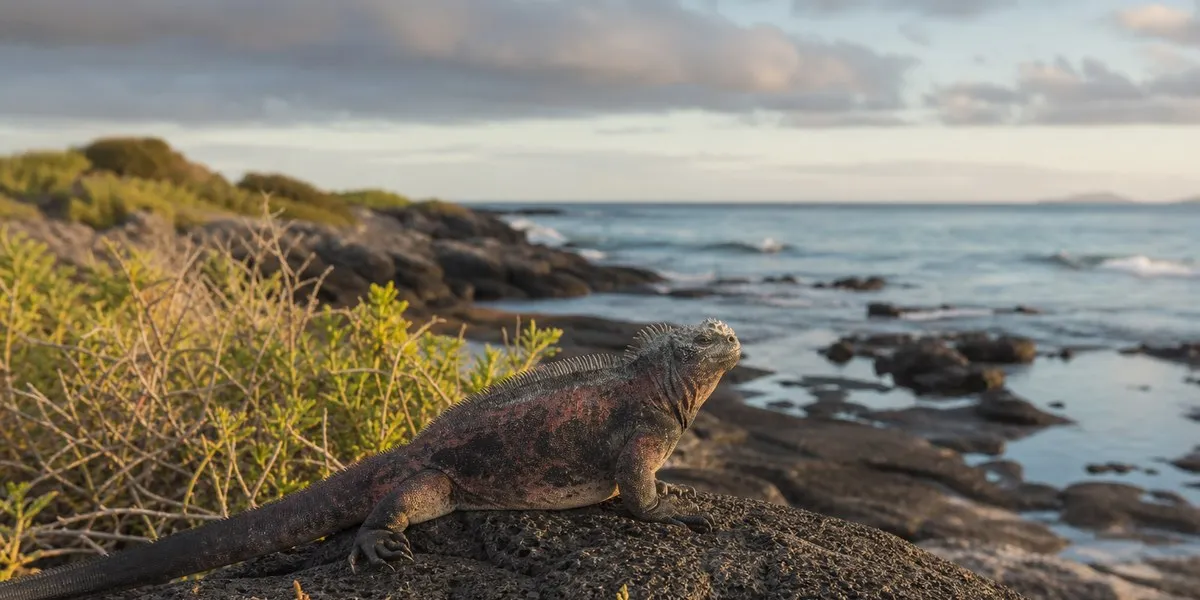
Scientists have called on Ecuadorian authorities to step up efforts against the illegal removal of marine iguanas from the Galápagos Islands. The authors of a letter published in the journal Science propose testing contraband detection systems at airports, strengthening oversight of their operation, and dismantling illegal trade networks, Mongabay reports.
In August, Ecuadorian authorities detained a Russian woman at Quito airport who was attempting to take 32 live marine iguanas to Iceland. The animals were tied up and placed in eight plastic containers. The dehydrated lizards were transferred to a conservation center in Pichincha province, and about a month later, 24 surviving iguanas were released on the Galápagos Islands, from where they were likely taken.
In May, three Thai nationals were also detained with 12 juvenile marine iguanas intended for Asian markets. In total, authorities have confiscated nearly 50 such animals since the beginning of the year.
Trade despite the ban
The marine iguana, Amblyrhynchus cristatus, is a threatened species and the only lizard in the world that swims in the ocean and feeds on marine algae. Science knows of about 11 of its subspecies. Ecuadorian legislation prohibits the removal of any wild animals from the Galápagos Islands.
More current news is available on the UA.News Telegram channel Telegram.
In 2025, marine iguanas were included in Appendix I of the CITES Convention, which prohibits their international commercial trade. At the same time, collectors in Europe and Asia continue to seek these animals as exotic pets.
Loopholes in international rules
Studies of legal international trade cited by conservationists have raised doubts about the origin of Galápagos land and marine iguanas sold abroad as captive-bred. Ecuador has not declared exports of live endemic iguanas, but Switzerland, Uganda, Mali, and Japan issued CITES permits to export individual animals marked as captive-bred.
Scientists and conservationists are calling on CITES member states to clarify the rules in order to prevent the legalization of offspring from animals illegally taken from the wild. According to the letter’s authors, smugglers may recruit local small-scale fishers whose incomes are declining due to poverty, dwindling fish stocks, and pressure from drug cartels.




