
Nepal expects rain and snow due to cyclone in the Bay of Bengal — Kathmandu Post
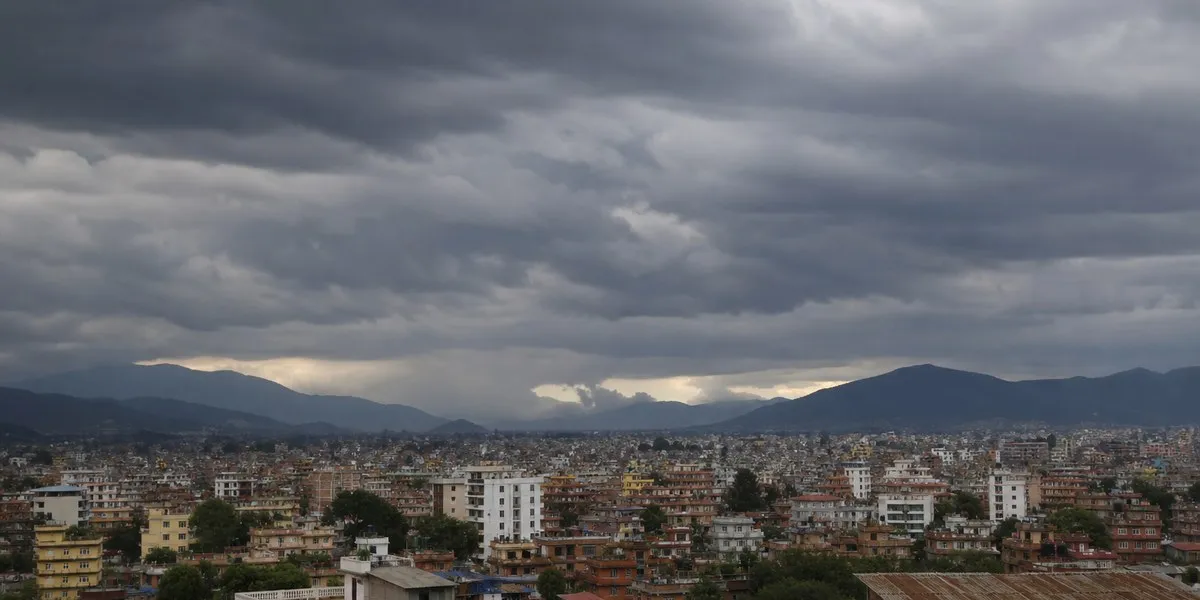
In Nepal, a low-pressure area over the Bay of Bengal may intensify into a cyclonic storm and bring rain to some parts of the country and snowfall to the high Himalayas. The Department of Hydrology and Meteorology warned that the weather system could affect the country from October 28 to November 1, Kathmandu Post reports.
Risks for crops and tourism
Meteorologists urged farmers to protect rice ripening in the fields, as well as harvested crops left out to dry. The agency said it was still too early to determine the exact amount of precipitation and the level of danger, but the bad weather could affect agriculture and the tourism sector.
Meteorologist Binod Pokharel warned of possible weather risks in Nepal from October 29 to November 1. In his assessment, the risk of precipitation will be relatively high on October 30 and 31. Current forecasts indicate possible rain across most of the country and heavy downpours in some areas, including Kathmandu and 28 districts in Koshi, Madhesh, Bagmati, Gandaki and Lumbini provinces. According to Pokharel, Manang requires particular attention.
He also noted that the system from the Bay of Bengal may interact with an upper-level trough, increasing the likelihood of heavy precipitation.
More current news is available on the UA.News Telegram channel Telegram.
The system is moving toward India’s coast
According to Nepal’s department, the low-pressure area formed on Friday over the east-central and adjoining southeastern parts of the Bay of Bengal. It is expected to move west-northwest, intensify into a cyclonic storm by Monday, and head toward the coast of northern Andhra Pradesh and southern Odisha in India.
The India Meteorological Department also reported that the system was intensifying. It forecasts that the system will pass through the depression and deep depression stages and become a cyclonic storm over the west-central Bay of Bengal on Monday morning.
Climate and environment expert Ujwal Upadhyay advised farmers to harvest their crops and move them to a protected place, and also recommended suspending trekking in the high Himalayas during this period. According to him, rainfall may occur intermittently, and hail is possible in some areas.




