
Chemist George Whitesides dies aged 87 — Nature
Chemist George Whitesides, one of the most influential researchers of his generation, has died at the age of 87. His son George Whitesides, a U.S. congressman from California, said on the social network X that the scientist died at home surrounded by family on November 19. Nature reports.
Research at the intersection of disciplines
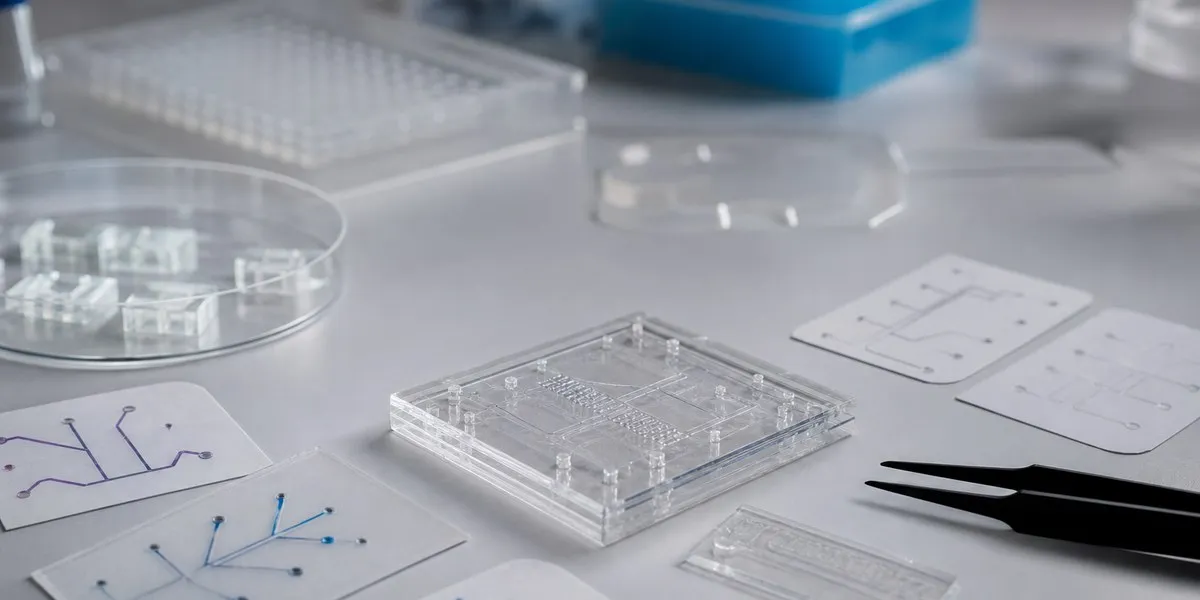
Whitesides made significant contributions to several areas of chemistry and technology. He pioneered a method for creating molecular patterns on surfaces. This technology helped advance lab-on-a-chip diagnostic devices, nanotechnology and other fields.
The scientist encouraged students not to limit themselves to a single field of research and often changed his own scientific interests. Chemical engineer Zhenan Bao of Stanford University noted that Whitesides worked freely at the intersection of chemistry, materials science, biology and engineering. Polymer scientist Joseph DeSimone of Stanford added that the researcher inspired scientists not to remain within the bounds of narrow specialization.
More current news is available on the UA.News Telegram channel Telegram.
From self-assembling coatings to microfluidics
George Whitesides was born in 1939 in Louisville, Kentucky. He gained his first experience working with chemistry as a teenager, when he washed laboratory glassware at his father's chemical engineering company.
After earning a bachelor's degree in chemistry from Harvard University, Whitesides entered graduate school at the California Institute of Technology. There, he studied the formation and properties of Grignard reagents. In 1963, he became a faculty member at the Massachusetts Institute of Technology, where he began studying self-assembled monolayers — ultrathin coatings of organic compounds one molecule thick.
Whitesides later proposed using such coatings to affordably create structured surfaces. He developed soft lithography, in which polymer stamps transfer micro- and nanoscale molecular patterns onto surfaces. According to materials scientist John Rogers, this technology made it possible to create three-dimensional nanostructures and microfluidic systems without complex clean rooms and etching methods.




