
Iraqi PM orders probe into blockade threats over Iran border — Jerusalem Post
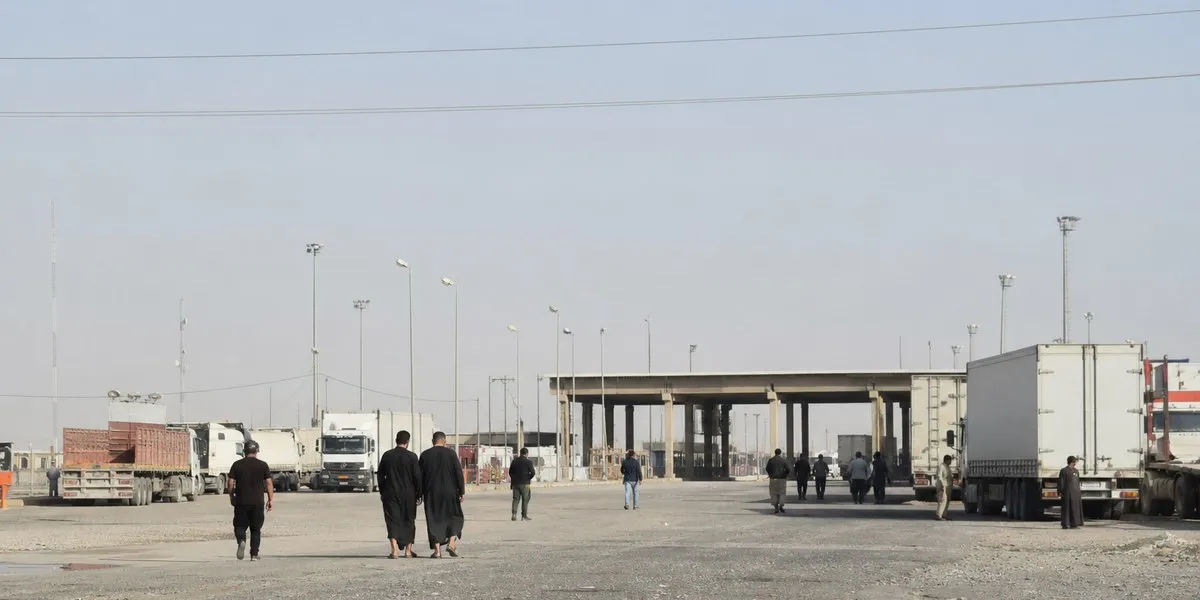
Iraqi Prime Minister Ali al-Zaidi ordered an investigation into the head of the Maysan provincial council, Mustafa Dair Mohammedawi, after he threatened to resort to civil disobedience over the closure of the Sheib border crossing with Iran. This was reported by the Jerusalem Post, citing Rudaw.
Mohammedawi said that Maysan residents could resort to civil disobedience on all roads if the crossing does not resume operations by Thursday. He also warned that the province in the country’s southeast could effectively lose transport links with the rest of Iraq.
Closure of the crossing
The crossing, known in Iraq as Sheib and in Iran as Chazabeh, is an important trade route between the two countries. Baghdad closed it last Wednesday, explaining the decision by the need to improve technical and logistics infrastructure.
Iraqi government spokesperson Haidar al-Abboudi said the checkpoint lacked the necessary technical and technological equipment. An Iraqi border guard told Reuters that the closure would make it possible to review security measures and install equipment to detect materials prohibited from being transported.
More current news is available on the UA.News Telegram channel Telegram.
Prime Minister’s adviser Abdul Amir Hassan Ali al-Taiban claimed that drugs and currency enter southern Iraq through crossings with Iran. The Iranian Embassy in Baghdad rejected these accusations, calling them false, and urged Iraqi authorities to respond to statements that could harm bilateral relations.
Protests in Baghdad
Against the backdrop of the dispute over the crossing, demonstrations were held in Baghdad on October 25 to mark the anniversary of the Tishreen protest movement, which began in October 2019. Demonstrators waved Iraqi flags and demanded political and economic reforms. Participants in the movement also opposed the system of sectarian distribution of positions and resources, known as muhassasa.
The National House party, linked to the Tishreen movement, called for peaceful demonstrations and reiterated demands to end corruption, reform the political system, and place weapons under state control. According to human rights organizations cited by Rudaw, more than 600 people were killed during the protest movement, about 20,000 were injured, and another approximately 3,000 were detained. Activists also demand that those responsible for violence against protesters be held accountable.




