
Israel’s High Court demands explanations on return of Ras Ein al-Auja community — Jerusalem Post
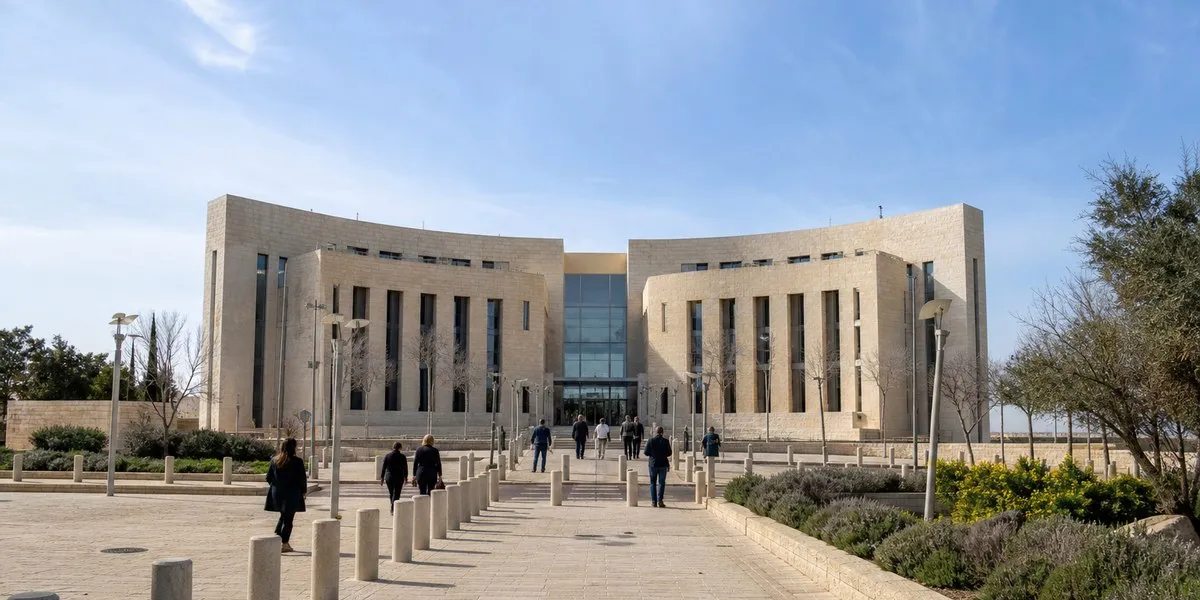
Israel’s High Court of Justice issued a conditional order requiring state authorities to explain why they should not take concrete measures as soon as possible to ensure the safe return of the Palestinian Bedouin community of Ras Ein al-Auja in the southern Jordan Valley. According to residents, they left their homes about nine months ago because of settler violence.
As reported by the Jerusalem Post, the court proposed that the authorities explain why Israelis’ access to the community’s residential area should not be restricted, except for those whose entry is coordinated with residents. The matter also concerns the possible evacuation of illegal outposts, blocking or demolishing an unauthorized road built nearby, and security measures during and after the people’s return.
Response must be submitted by December 1
The conditional order following the hearing was issued by Supreme Court President Yitzhak Amit and Justices Daphne Barak-Erez and Yechiel Kasher. The respondents must submit sworn written explanations by December 1. The next hearing in the case is planned for the first half of December.
More current news is available on the UA.News Telegram channel Telegram.
Israeli authorities acknowledged their duty to protect the community’s residents and said they were ready to coordinate their return. At the same time, they stated that they could not station permanent security forces there and expressed reservations about the involvement of civilian guards who would not be under their control.
The petition was filed by six residents
The petition was filed in March 2025 by six community residents and the Center for the Development of Peace Initiatives. In it, the plaintiffs reported months of harassment, seizure of grazing land, damage to infrastructure, and theft of livestock, which they link to the establishment and expansion of neighboring settler outposts.
According to the plaintiffs’ account, cited in the court ruling, about 110 families — more than 1,000 people — ultimately left the community. They claim to have lived in the area for about 70 years. The court noted that residents’ fears of renewed violence after the military’s departure, given previous events, are not unfounded.




