
US regulator allows prisons to jam contraband phones — Ars Technica
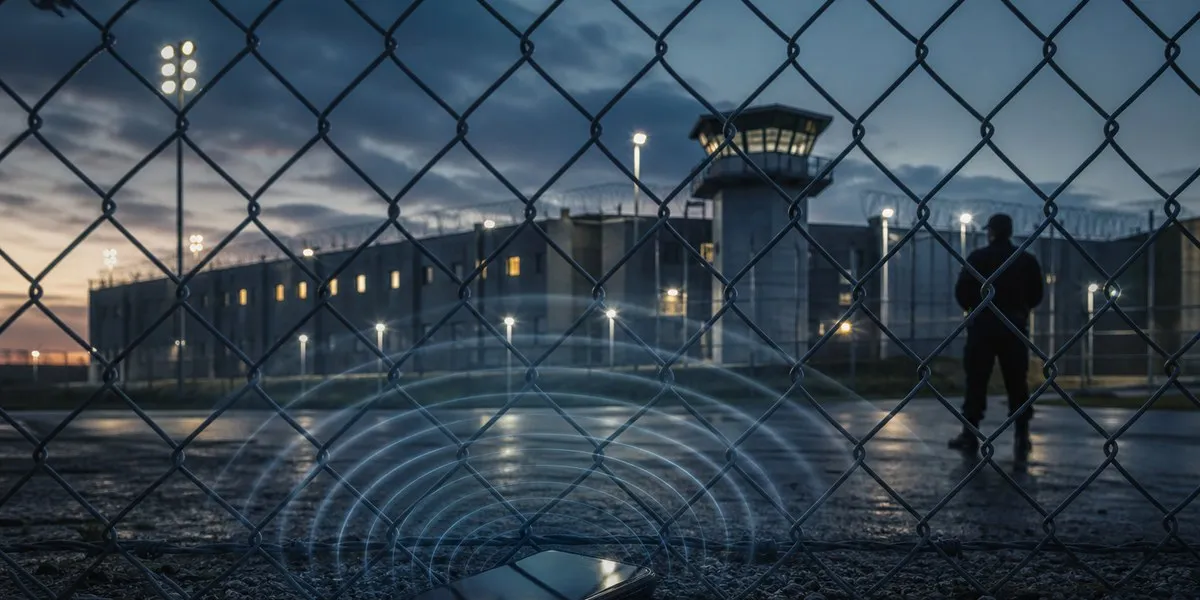
The US Federal Communications Commission (FCC) has allowed state prisons and local detention facilities to use targeted jamming technologies to block contraband mobile phones. Ars Technica reports that the FCC had previously interpreted the federal ban on intentional interference with licensed radio communications as preventing non-federal institutions from jamming signals in prisons.
FCC Chairman Brendan Carr said that no institution will be required to use this technology. Facilities that choose to use it must apply to the commission, describe how the system will be deployed and, based on test results, prove that it does not extend beyond the designated area or interfere with lawful communications outside prison grounds. Residents of nearby areas must also be notified before the equipment begins operating.
Mobile industry warnings
The wireless industry lobbying group CTIA informed the FCC about the results of pilot testing conducted jointly with the Virginia Tech Applied Research Corporation and the South Carolina Department of Corrections. According to CTIA, even with a limited number of micro-jammers, frequencies and power, the system blocked calls to 911, disrupted public-safety networks and other communications, while effects on mobile network infrastructure were recorded at distances of up to 2.5 miles, or about 4 kilometers.
More current news is available on the UA.News Telegram channel Telegram.
At the same time, in scenarios involving open outdoor recreation areas for inmates, from half to two-thirds of attempts to call from targeted contraband devices were successful. CTIA believes that modern jamming systems can simultaneously block lawful communications and fail to stop a significant share of unwanted calls.
FCC position and a commissioner's warning
Carr said that contraband phones enter prisons by the thousands every year and can be used for fraud, drug trafficking and organizing violent attacks. The new decision was supported by companies providing prison telephone services, associations of prosecutors, correctional facility leaders and police organizations.
FCC Commissioner Anna Gomez, the only Democrat on the commission, voted for the decision after safeguards were added but expressed partial dissent. She emphasized the risk of interference with emergency calls, fire services, police and medical assistance, and warned that jamming costs must not be passed on to inmates' families through higher call prices.




