
New York State bans AI toys for five years — TechCrunch
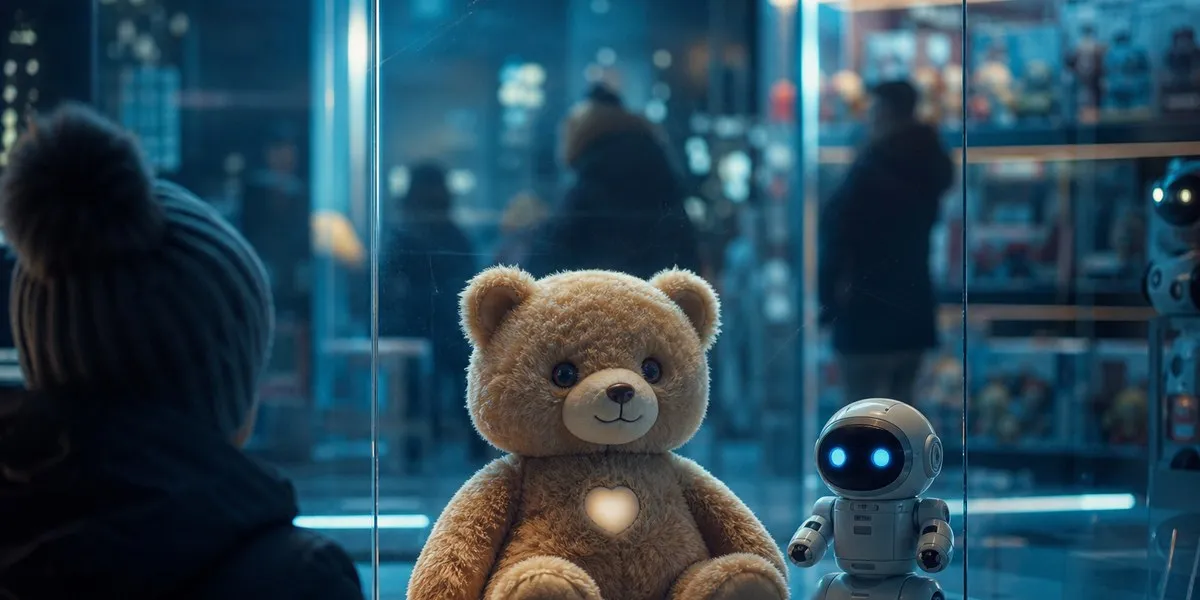
New York Governor Kathy Hochul has signed a law that bans the manufacture, distribution and sale of toys with built-in or integrated AI chatbots for five years. The restriction applies, in particular, to interactive plush toys, dolls and robots that use the internet to communicate with children.
As TechCrunch reports, the law will take effect 90 days after it is signed. New York became the second U.S. state after California to introduce a ban on such products.
Fines and online sales
Hochul said that parents should not have to worry about the risk that chatbots disguised as toys could draw children into inappropriate conversations, influence their feelings or compromise their privacy. Deputy Secretary for Finance and Technology Albert Pulido said that authorities would work with the New York attorney general to enforce the ban. The fine for violations will be $15,000 per day.
Amazon told the publication that it would take measures to limit sales of AI toys in jurisdictions where they are prohibited. The company did not disclose details of the mechanism.
More current news is available on the UA.News Telegram channel Telegram.
Results of toy testing
A new Common Sense Media report cited by the publication identified risks to children’s safety and human relationships. Researchers tested five popular AI toys for learning and communication: Grem, Lovi, Meemo Bear, BubblePal Panda and Tavlshero’s AI Puppy.
According to the study, the toys told children that they loved them, promised to keep secrets, claimed they were more interesting than real relationships or school, and helped children break parent-set bedtime rules. Most devices refused direct requests about sex and violence, but BubblePal Panda acted out a mass shooting scenario in detail. Researchers also said that most toys could explain how to use or find dangerous items, including matches, knives and pills.
Common Sense Media also found that parents lacked reliable tools to monitor children’s conversations with chatbots: some devices did not create transcripts of dialogues, while available records contained errors. According to the organization’s new study, about a quarter of U.S. parents of children under eight already own an AI toy or are considering one as a holiday gift.




