
US proposes 10% tariff on finished aircraft from Brazil — Cyprus Mail
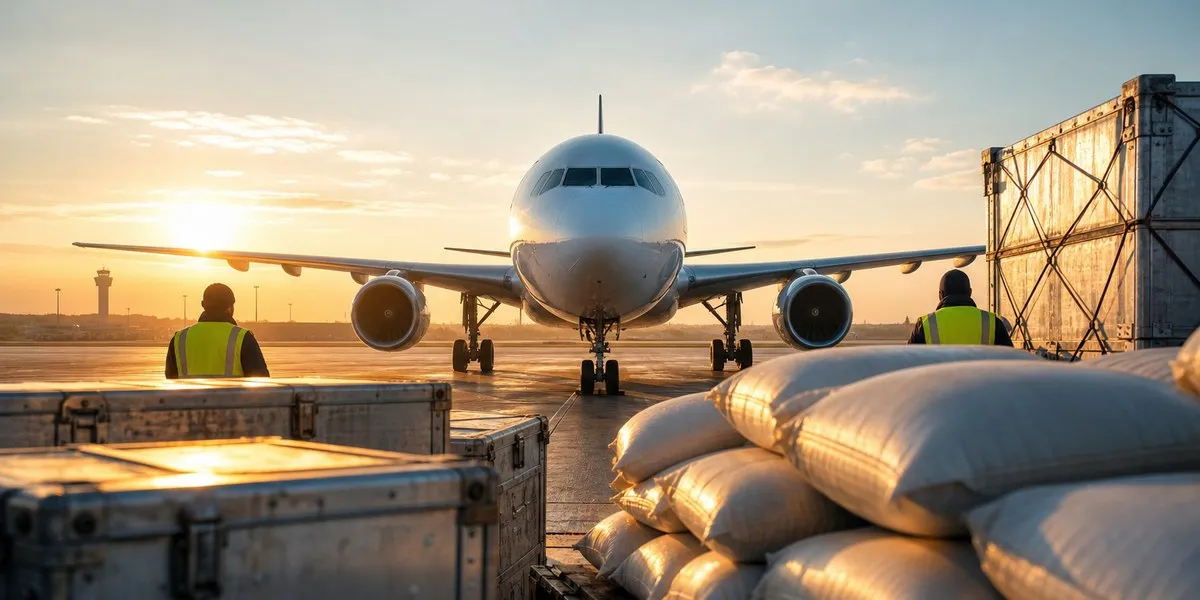
The United States has proposed introducing a 10% tariff on finished aircraft imported from Brazil. Washington also proposes changing the existing 25% tariffs introduced in July for some Brazilian goods.
As Cyprus Mail reports, the Office of the United States Trade Representative explained the proposal by the lack of progress in negotiations with Brazil. A US official said that substantial differences remain between the sides after several rounds of talks during the year.
Aircraft and sugar
Finished aircraft had so far been exempt from US tariffs on Brazilian goods. According to the US official, this category is the fourth largest among goods that Brazil exports to the United States. The new tariff could affect Brazilian aircraft manufacturer Embraer. The company did not respond to a request for comment.
In addition, Washington proposes setting a new tariff rate for raw and refined sugar imported above established quotas. The United States said this is intended to prevent Brazilian sugar from being supplied to the country through third countries. The American side also said it remains open to further negotiations.
More current news is available on the UA.News Telegram channel Telegram.
Brazil's position
The United States accuses Brazil of unfair practices, including over illegal deforestation and the Pix instant payment system. US authorities believe Pix creates unfavorable conditions for companies that issue credit cards. Brazil rejects these accusations.
Brazil's Foreign Ministry said it would assess the consequences of the proposed tariffs. The previous day, the country asked the World Trade Organization to establish a panel to review the July tariffs under the Section 301 procedure, but the United States blocked the move on the same day.
The July tariffs retained and expanded exemptions for Brazilian beef, coffee, aircraft and other goods. Brazil is also subject to an additional 12.5% tariff under a separate US investigation into links to forced labor in the supply chains of dozens of countries.




