
Transit through the Strait of Hormuz rose by 17% — Deutsche Welle
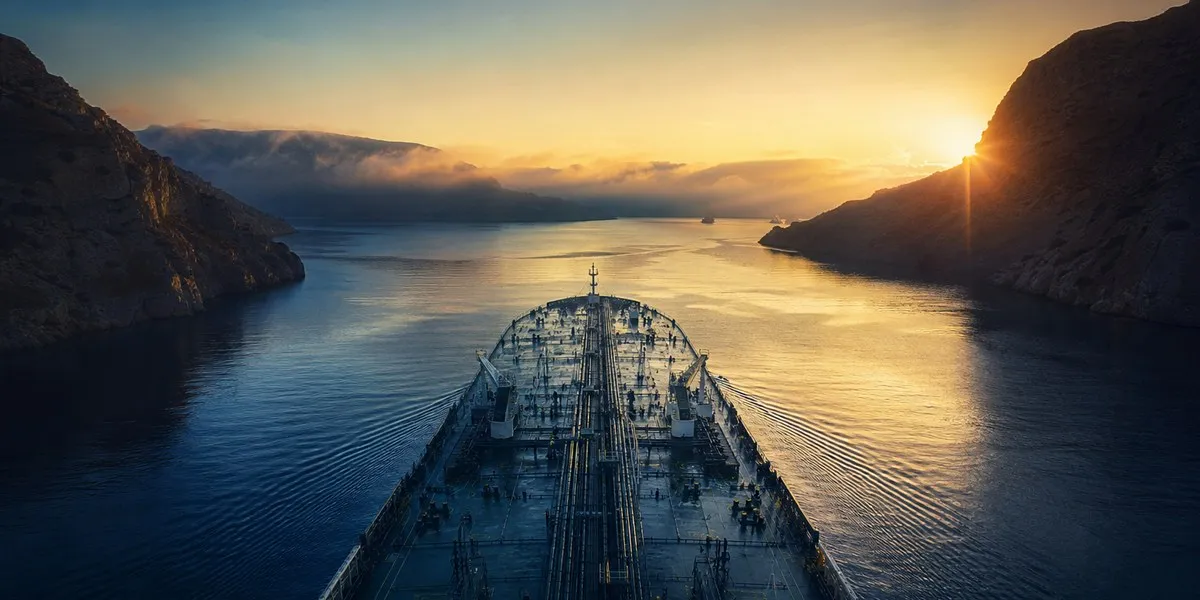
The number of vessel transits through the Strait of Hormuz from October 29 to November 4 totaled 325, 17% more than a week earlier, when 277 transits were recorded. At the same time, this figure remains approximately 65% below the pre-war level, according to the weekly report by the UK Maritime Trade Operations (UKMTO) center.
As Deutsche Welle reports, attacks on commercial vessels in the strait create risks of deaths and injuries for crews. Shipping companies are forced to choose between a dangerous passage and cargo delays, which increases costs.
Pressure on shipping
Iran expert Ali Mohammadi believes that Iran's geographical position and its equipment allow it to continue attacks on vessels. At the same time, he named the economic burden of the war as Tehran's main constraint. According to him, a complete closure of the Strait of Hormuz, even if it were possible, could not last long because of the high political costs for Iran and the risk of restricting access to the strait for its allies.
More current news is available on the UA.News Telegram channel Telegram.
Iran energy and macroeconomics expert Dalga Khatinoglu noted that crude oil exports from the Middle East via all routes — through the Gulf of Oman, the Strait of Hormuz, and the Red Sea — have mostly recovered to pre-war levels. In some weeks of September and October, they even exceeded those volumes. This assessment concerns total regional exports, rather than only shipments through the strait.
High transportation costs
The situation with petroleum products and liquefied natural gas is more complicated. Before the war, the Middle East exported about 6.2 million barrels of petroleum products per day, while this figure is now approximately half as high. LNG exports from Qatar and the UAE in September were about 10% below the pre-war level, although the situation has improved somewhat.
According to OPEC data cited by Khatinoglu, the average freight rate for a large tanker transporting oil from the Middle East to East Asia increased approximately 12-fold: from $3.18 per barrel at the beginning of the year to $37.13 at the end of October. Experts stressed that US military presence alone is insufficient to reduce costs and restore confidence in shipping safety. In Khatinoglu's view, US protection of vessels alone will not return oil prices to pre-war levels.




