
IDF expands service members’ rights in harassment cases — Jerusalem Post
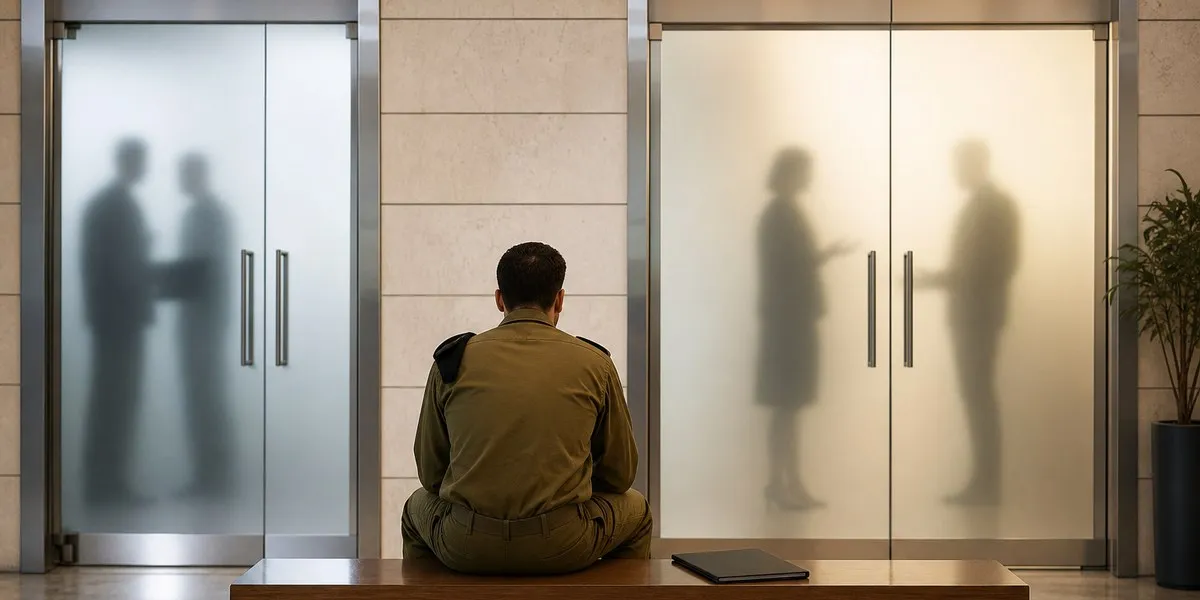
In Israel, the Israel Defense Forces (IDF) has revised the rules for internal reviews of allegations of sexual violence and harassment in cases that are not subject to a criminal investigation. People undergoing a review will be able to receive a general description of the allegations against them, an explanation of the procedure and their rights, as well as a copy of the full review protocol, the Jerusalem Post reports.
The rules will apply to cases referred to the IDF chief of staff’s gender affairs adviser. An internal review is conducted, among other circumstances, when the complainant does not wish to approach the military police for personal reasons or when the military police have reviewed a complaint but the alleged actions do not meet the threshold for criminal prosecution.
Rights of review participants
Under the updated rules, the person against whom a complaint was filed will receive a summary of the review’s findings and will be able to respond to it before a final decision is made. All materials collected during the review will be provided to the alleged victim or the complainant’s commander.
Direct questioning of the alleged victim will not be allowed. At the same time, they will be required to answer questions submitted by the person against whom the complaint was filed through the officer responsible for the review. Exceptions will be possible only in extraordinary circumstances. Such persons will also be able to call witnesses in their defense.
More current news is available on the UA.News Telegram channel Telegram.
The Military Defense Service previously stated that the procedure that took effect in 2024 violated the rights of people accused of sexual violence or harassment. About nine months ago, it petitioned the High Court of Justice to annul the procedures, after which negotiations began with the Gender Affairs Adviser’s Unit.
Appointment of officers
In the future, officers for internal reviews are to be appointed by the complainant’s commander rather than by the Gender Affairs Adviser’s Unit. The Military Defense Service believed that the previous mechanism could create a conflict of interest, as the unit simultaneously supported victims and appointed officers to review complaints.
The Gender Affairs Adviser’s Unit will continue training officers with the participation of the Military Defense Service. Both sides will be able to request the replacement of an officer if there are substantial grounds to consider them biased. Officers will retain the right to recommend dismissal, suspension, or the initiation of a procedure to end a career military service, but the final decision will be made by the authorized commander.
According to the IDF, in 2025, only 10% of more than 2,420 reports of sexual violence and harassment were investigated by the military or Israeli police. Another 59% of cases were handled through disciplinary and command channels.




