
Criminal groups operate in 59% of Amazon municipalities — Mongabay
Criminal networks or armed groups operate in 768 of the 1,310 Amazon municipalities studied in Bolivia, Brazil, Colombia, Ecuador, Peru and Venezuela. This represents 59% of the municipalities covered by a new Amazon Underworld study, Mongabay reports.
Highest rates in Colombia
Colombia recorded the largest share of municipalities where such actors were identified — 98%. In Venezuela, the figure is 82%; in Brazil and Ecuador, 59% each; in Peru, 34%; and in Bolivia, 31%.
The report’s author, Amazon Underworld founder and International Crisis Group consultant Bram Ebus, noted that criminal structures are increasingly operating across state borders. In particular, according to the study, the Brazilian group Comando Vermelho is present in nearly 500 municipalities, including in Bolivia and Peru.
In Colombia’s part of the Amazon, eight armed groups operate in 99 municipalities. According to Humanitarian Action, about 78% of Colombia’s rural population — nearly 10 million people — are under the influence of at least one non-state armed group.
More current news is available on the UA.News Telegram channel Telegram.
Gold has overtaken cocaine
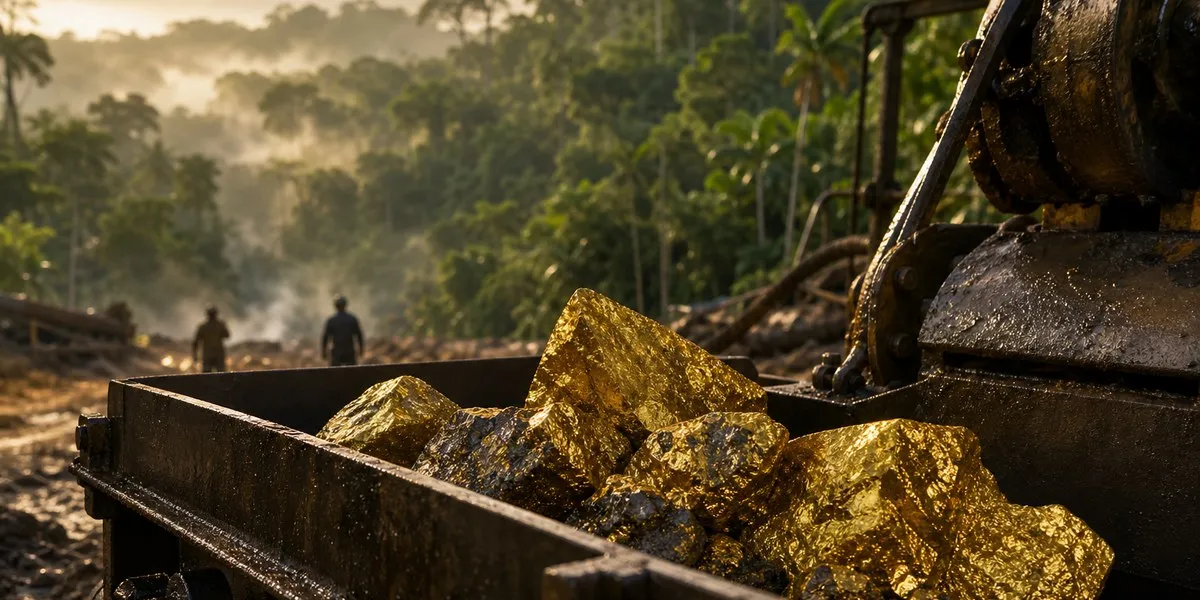
The report calls gold the Amazon’s most profitable criminal industry, surpassing cocaine. In Ebus’s view, this shift has accelerated deforestation and mercury pollution of the environment.
Ebus also noted that rivalry among groups for control over territories and mining areas is intensifying violence. According to him, local residents, including Indigenous communities and their defenders, suffer the most from this. In addition to gold and cocaine, researchers recorded growing criminal interest in tin, tungsten and coltan, primarily in Brazil, Colombia and Venezuela.
The report states that militarized campaigns against cartels do not eliminate the economic and political causes of organized crime. Among possible responses, Ebus named countering the financial flows of illegal economies, a permanent state presence, as well as investment in development and education.




