
More than 268,000 people internally displaced in Yemen — Anadolu Agency
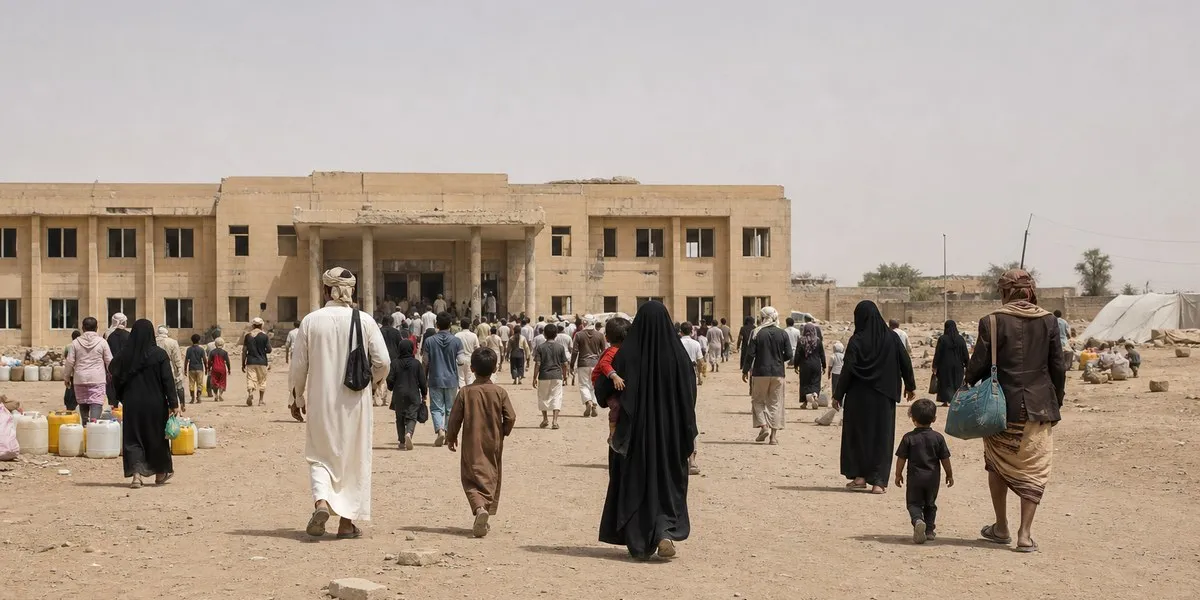
In Yemen, more than 268,000 people have been internally displaced since July due to the escalation of the conflict between government forces and the Houthi group. As of October 23, this figure was reported by Anadolu Agency, citing the International Organization for Migration. Nearly all of them left their homes from the beginning of September.
Thousands of people arrive in Djibouti
As of October 17, at least 3,836 Yemeni citizens had arrived in Djibouti by sea. Half of them are children, including 282 children under the age of five. Most people reported that they were fleeing due to the deteriorating security situation.
According to the IOM, several boats came ashore without reaching their intended destination because they ran out of fuel. Separately, the organization recorded 1,327 migrants who travelled by sea from Yemen to Djibouti while returning to their countries of residence.
Overcrowded shelters and a lack of aid
Inside the country, families are increasingly seeking safety in southern areas. The number of displaced people in Aden has more than doubled since October 7, exceeding 42,000. About 67,000 displaced people are in the Lahij governorate.
More current news is available on the UA.News Telegram channel Telegram.
According to the IOM, families have found shelter in 62 districts across ten governorates, including Al Mahrah in the east of the country. People face difficulties accessing clean water, medical care and basic services amid an acute fuel shortage and rising food and medicine prices.
Some families are living in overcrowded public buildings or out in the open without proper sanitation. The IOM also reported heightened risks for women, children, older people and people with disabilities, while restrictions on humanitarian access in Taiz are delaying aid deliveries.
Abdusattor Esoev, head of the IOM mission in Yemen, said that the scale and pace of displacement exceed the capacity of the humanitarian response due to a lack of funding. The organization called on donors to increase support and on all parties to the conflict to protect civilians and humanitarian workers and ensure unimpeded access to people in need of assistance.




