
Hong Kong develops sensor-equipped flosser to measure glucose — ScienceAlert
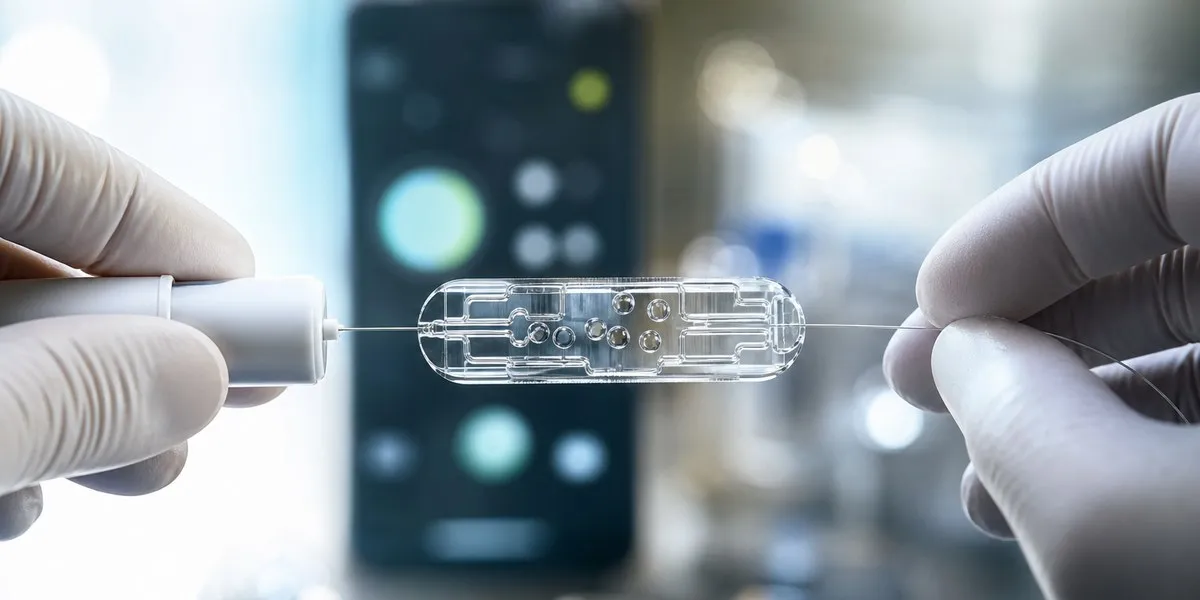
In Hong Kong, China, a team at the Hong Kong University of Science and Technology developed a flosser with biosensors that can analyze gum fluid and transmit the results to a smartphone. During preliminary tests involving small groups of participants, glucose and uric acid readings obtained by the device closely matched blood test results, ScienceAlert reports.
How the device works
The device is shaped like a regular flosser but is equipped with a roller system that collects fluid and directs it to a microfluidic chamber with biosensors. Within a few minutes after cleaning between the teeth, the system can measure levels of glucose, uric acid, hydrogen peroxide, and pH acidity. The data are sent wirelessly to a smartphone.
The flosser collects not saliva, but gingival crevicular fluid, which is found in pockets around and between the teeth. It is located close to the gum surface and exchanges metabolites, proteins, and inflammation markers with the bloodstream. Scientists have long sought to use this fluid to assess gum health and other health indicators, but it is difficult to collect because of its small volume.
More current news is available on the UA.News Telegram channel Telegram.
Tests and limitations
The device was tested on healthy participants, as well as people with diabetes, elevated uric acid levels, and poor oral health. Measurements of pH and hydrogen peroxide also made it possible to assess the size of gum pockets, an indicator dentists use in diagnosing periodontal diseases.
At the same time, saliva accounted for nearly half of the fluid collected together with gingival crevicular fluid, and blood could also enter the samples. The study authors called for further clinical research to determine whether such monitoring improves treatment outcomes for patients with diabetes and gum disease. The study was published in the journal Science Advances.




