
Organelles linked to chemosynthesis found in a mollusk — ScienceAlert
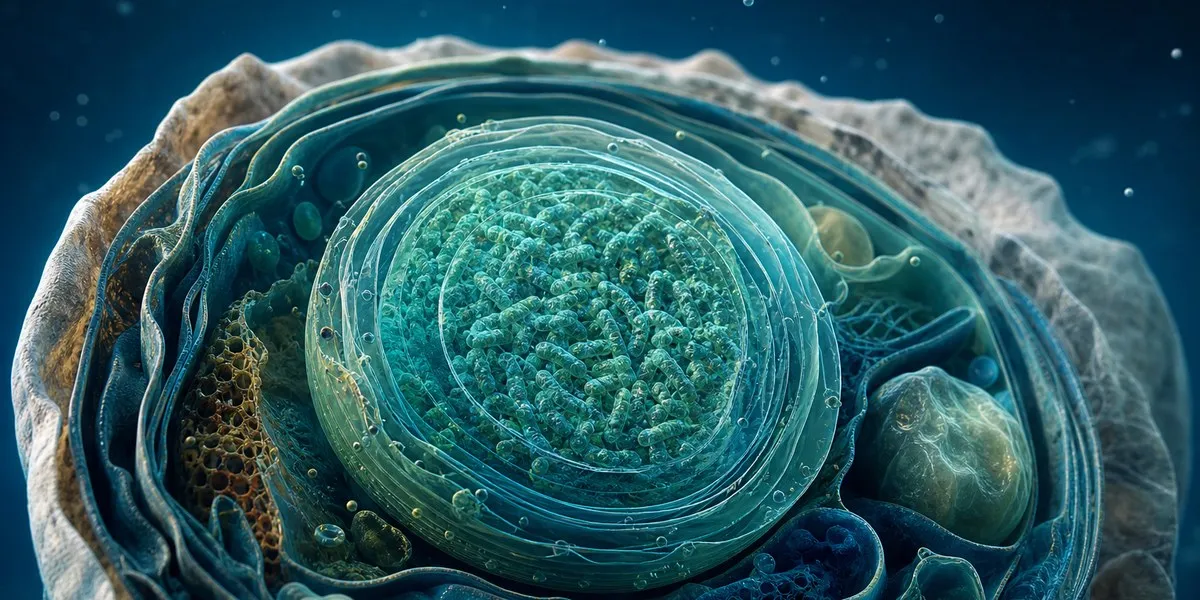
An unusual set of microscopic organelles containing bacteria has been discovered in the deep-sea mollusk Chaetoderma shenloong, found in bottom sediments near methane seeps in the South China Sea. Researchers named these structures “dragonspheres,” or dragonballs, after the Dragon Ball manga. ScienceAlert reports on the discovery, citing a study in the journal Nature Communications.
Multilayered structures with bacteria
Dragonspheres are located inside specific cells of the mollusk’s digestive gland — bacteriocytes. Each is surrounded by more than 20 membrane layers and contains hundreds of symbiotic bacteria. Genetic analysis showed that the organelles contain only one type of symbiotic bacterium, which oxidizes sulfur and uses chemical energy to produce organic matter.
The study’s authors believe these structures may be the first known specialized organelles associated with chemosynthesis. They compare them to small bacterial “farms.” It was previously known that some deep-sea animals keep chemosynthetic bacteria in bacteriocytes, but similar intracellular compartments had not been found either in other mollusks or in tube worms.
More current news is available on the UA.News Telegram channel Telegram.
Hypotheses about the role of the organelles
The mollusk spends most of its life in bottom mud, where oxygen is particularly scarce. Scientists suggest that the animal may break down the membranes of individual dragonspheres and release the bacteria into the cell for subsequent digestion. No lysosomes — cellular structures associated with digestion — were found inside the organelles themselves.
Another hypothesis is that isolating bacteria in dragonspheres may limit their oxygen consumption, leaving more of this resource for the mollusk itself. The authors emphasize that, due to the lack of live specimens, these explanations are based mainly on correlational data and require physiological testing. One specimen was also accidentally collected near a mud volcano close to Japan, expanding the species’ known range.




