
Nepal unveils flood prevention plan for six basins — Kathmandu Post
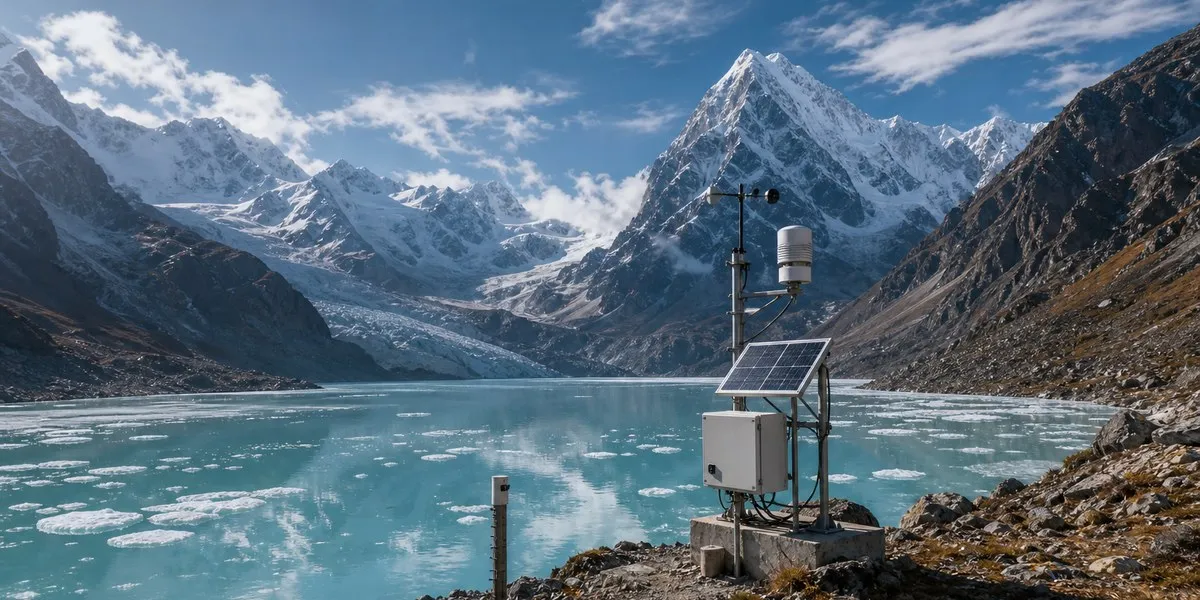
In Nepal, the Centre for Hydrology and Water Resources Studies has released a “white paper” for 2026–2027 that provides for expanding flood early warning systems in six major river basins. The document also includes a plan to lower water levels in four glacial lakes at increased risk of outburst, Kathmandu Post reports.
Warning systems in six basins
Flood warning equipment is planned to be installed in the Mawa-Ratuwa, Bakraha, Lakhandehi, East Rapti, West Rapti and Mohana-Khutiya river basins. The work will be carried out under the Flood Risk Management in Priority River Basins Project, launched in 2022. Its implementation is expected to continue until 2028, with a budget of $7.54 million.
The “white paper” also states that the Bagmati Improvement Project is ongoing. The centre, established in July under the Ministry of Energy, Water Resources and Irrigation, operates under the auspices of the Water and Energy Commission Secretariat.
More current news is available on the UA.News Telegram channel Telegram.
Four glacial lakes
The government has identified the GLOF Sanjibani project, planned for 2026–2033, as a separate priority. It provides for lowering water levels in Thulagi Lake in Manang District, Lower Arun Lake in Sankhuwasabha District, as well as Lumding Tsho and Hongu-2 lakes in Solukhumbu District. The total project budget is estimated at about $49.9 million, of which $20 million is allocated for the centre.
According to the report, rising temperatures in the Himalayas are accelerating glacier melt and increasing the risks of avalanches and sudden glacial lake outbursts. Nepal has previously lowered water levels in Tsho Rolpa Lake in the Rolwaling Valley of Dolakha District and Imja Lake in Solukhumbu.
Observation network
According to the “white paper,” the country has more than 250 monitoring stations for collecting hydrological and meteorological data in real time. The network includes 250 river level measurement stations, 230 of which are automated; 15 glacial lake monitoring stations; 13 glacier and water observation stations; 50 automatic rainfall stations; as well as 33 stations each for monitoring sediment and water quality.




