
Nepal approves four Supreme Court candidates — Kathmandu Post
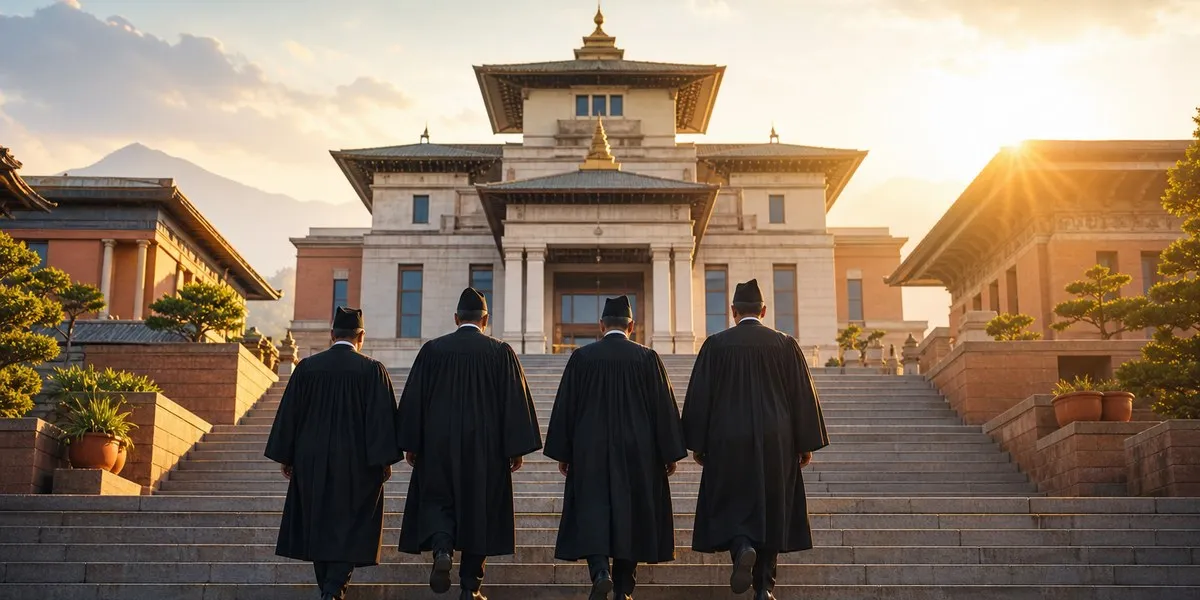
In Nepal, the Parliamentary Hearing Committee unanimously approved four candidates for permanent judgeships on the Supreme Court. They are Ratna Bahadur Bagchand, Chandra Bahadur Sara, Janak Pandey and Gokarna Dangi, whom the Judicial Council recommended from among High Court judges. Their appointment and swearing-in are expected to take place after the Tihar festival, Kathmandu Post reports.
Questions for the candidates
During the hearings, lawmakers asked the candidates about their judicial practice, the possible influence of intermediaries in courts, political interference and complaints filed against them. Parliamentarians also raised issues of access to justice and the enforcement of court rulings.
Special attention was paid to a land dispute in Tulsipur, Dang district, over which lawmakers questioned Gokarna Dangi. They referred to complaints from 87 landowners who claimed they had not received the promised 40% of land under a land pooling agreement. They also alleged development of areas allocated for a school, a health post and roads. Dangi denied any improper involvement in the case and said he had made decisions in accordance with the constitution, laws and evidence.
More current news is available on the UA.News Telegram channel Telegram.
Janak Pandey was questioned about a land plot in Baluwatar, Jhapa district, a case concerning which was appealed to the Supreme Court on behalf of his wife, as well as about the case of Nepali Congress leader Balkrishna Khand involving fake Bhutanese refugees. Pandey said he supported Khand's release on bail based on the available evidence, but did not make the final decision.
Judicial system reform
Ratna Bahadur Bagchand, chief judge of the Pokhara High Court, presented the “Vision 2035” programme. He proposed strengthening the Supreme Court's role in the work of the entire judicial system and creating a mechanism for interaction between the judiciary and executive branch to enforce court rulings. According to him, the judicial system should not only issue decisions but also ensure their practical implementation.
Five judicial positions remain vacant at Nepal's Supreme Court, but the Judicial Council recommended only four applicants. Two council members and the Nepal Bar Association raised objections to the selection procedure, stating that the principle of seniority had not been observed during the selection.




