
Pakistan sends federal prisons bill draft to Interior Ministry — Dawn
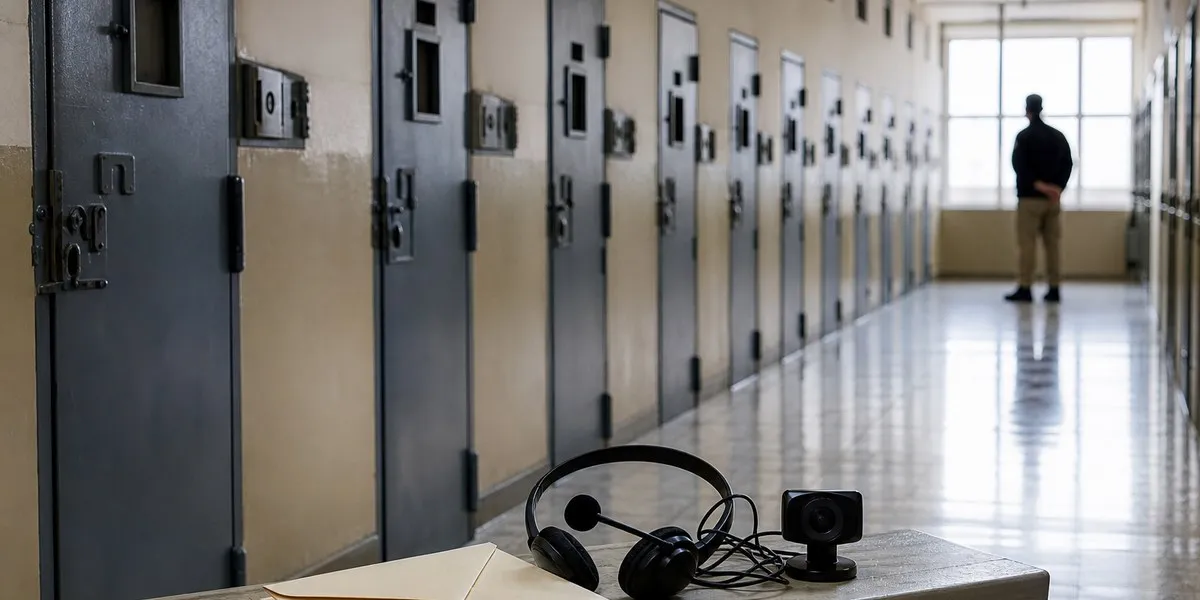
In Islamabad, Pakistan, the final draft of the Federal Prisons and Correctional Institutions Act, 2026, has been submitted to the Interior Ministry for approval before its introduction and implementation in the federal capital. As Dawn reports, the document was prepared by recently appointed Senior Superintendent of Prison Ali Akbar.
The bill is intended to create a legal framework for the establishment, management, security and protection of prisons, as well as the detention, correction and rehabilitation of inmates.
Objectives of the penitentiary system
The draft states that the federal penitentiary system should contribute to protecting a just, peaceful and secure society through the enforcement of court sentences, legal provisions and relevant rules. It also envisages keeping inmates in safe conditions while ensuring their fundamental rights enshrined in the constitution, legislation and international conventions to which Pakistan is a party.
The document provides for respect for the dignity of all inmates and prohibits discrimination, except in cases defined by law. Convicted persons are to participate in the correction process. The draft also allows incentives in the form of special reductions in prison terms and monetary payments in accordance with established rules.
More current news is available on the UA.News Telegram channel Telegram.
Administration and inmates' rights
The government will be able to designate buildings, land plots or other premises as federal prisons and correctional institutions, and to establish, expand, relocate or discontinue such facilities. Each prison designated under the law will be under the administrative control and management of the inspector general.
The draft also provides for the establishment of a Prison Management Board chaired by the chief commissioner. It is to prepare recommendations on the transparent management of institutions and form an oversight committee on inmate welfare, charitable initiatives, rehabilitation programmes and supervision of prison administrations.
Inmates will be able to file complaints, correspond, make audio and video calls using facilities provided in prison, and receive relatives, friends and persons providing legal assistance. The draft permits meetings with spouses to exercise marital rights. Correspondence, communications and visits will be monitored by a prison officer in accordance with established rules.
Inmates must maintain discipline and comply with lawful instructions from staff, as well as undergo medical and psychological examinations. At the same time, the draft provides for disciplinary liability of prison staff for misconduct and at least one opportunity to appeal the relevant decision.




