
In South Africa, bass removal expanded rare fish habitat from 2 to 10 km — Mongabay
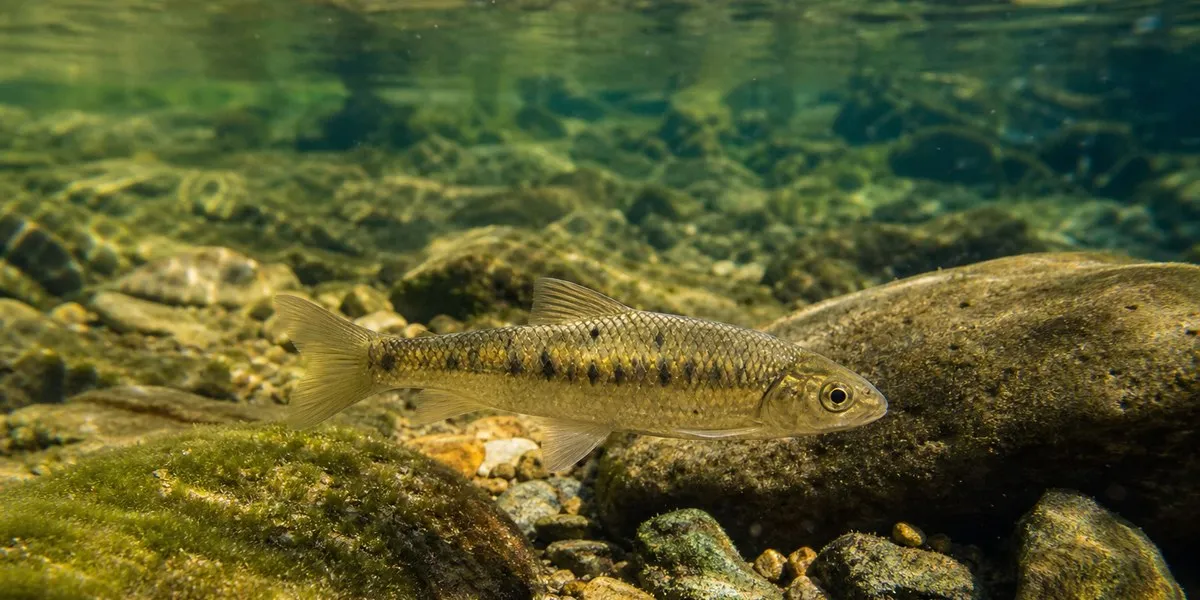
In South Africa, a project to remove invasive spotted bass from the upper reaches of the Breekkrans River expanded the habitat of the critically endangered species Pseudobarbus doring from 2 to 10 kilometers. Before the work began, the population of this freshwater fish was confined to a two-kilometer stretch that bass could not reach, Mongabay reports.
An invasive predator in the river
Spotted bass were introduced into the river system in the late 1930s for sport fishing. According to Cape Nature ecologist Martine Jordaan, this predator hunts small fish, while most native species are up to 12 centimeters long. After their introduction, bass spread as far as the environment allowed, with waterfalls among the natural barriers stopping them.
Freshwater Research Centre ecologist Jeremy Shelton noted that the Breekkrans River retains the largest population of Pseudobarbus doring, which probably numbers only a few hundred adult individuals. The species is also found in another river, but in very small numbers.
More current news is available on the UA.News Telegram channel Telegram.
Work has continued since 2023
The Breekkrans River restoration project is being implemented by the Freshwater Research Centre, Cape Nature and the Fynbos Fish Trust. Since 2023, project participants have removed bass from the river every Southern Hemisphere summer. A barrier was also built downstream to prevent the predator from re-entering the cleared stretch.
Nets, spearguns and electrofishing were used to remove bass from eight kilometers of the upper reaches. According to Jordaan, all native fish species showed recovery after predation pressure was removed, and their range expanded. Shelton said the project’s result demonstrates the possibility of completely and permanently removing invasive bass from individual river sections using mechanical methods.




