
South Africa shuts water treatment plant over E. coli — TimesLIVE
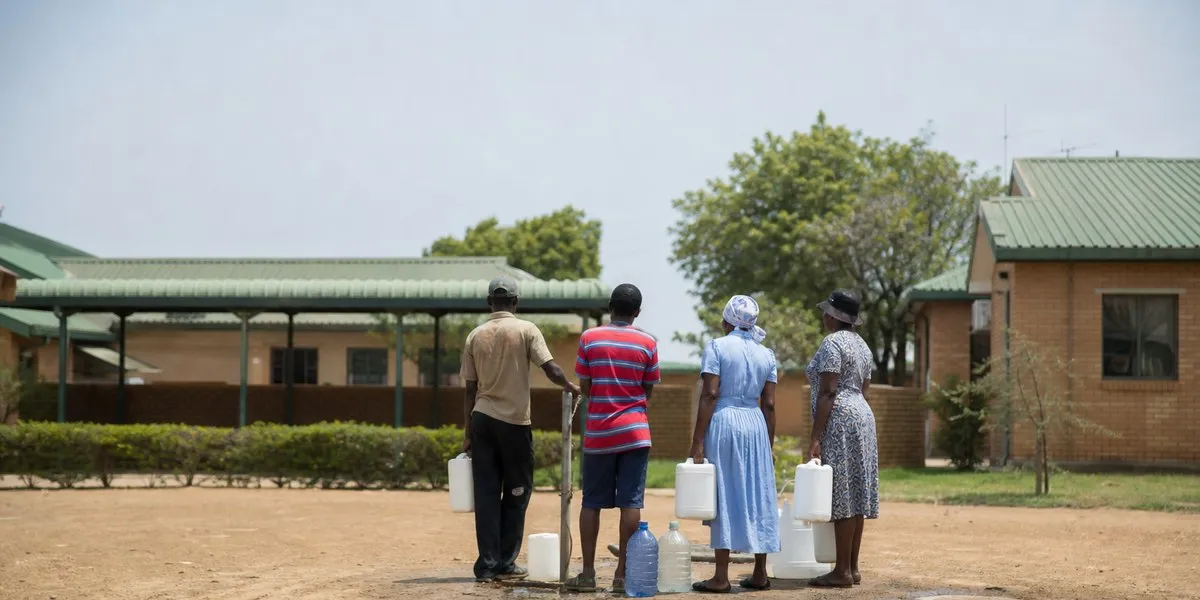
In South Africa, a water treatment plant in Bronkhorstspruit, which is part of the Tshwane municipality, was shut down on October 14 after tests detected E. coli in the water. Inspectors found that the facility had been without chlorine since September 23, and the plant operated without it for 21 days. After consuming contaminated water, hundreds of residents sought treatment for gastrointestinal disorders, TimesLIVE reports.
Unfulfilled plan
The Department of Water and Sanitation sent the municipality a letter as early as February stating that the plant's operations did not meet requirements. In response, Tshwane authorities submitted a plan to remedy the violations but failed to fulfill any of the commitments within the set deadlines.
According to Anet Muir, the department's director of compliance monitoring, the plant scored 42.3% in the 2023 Blue Drop report for compliance with drinking water standards, against a benchmark of at least 95%. By the end of May, the municipality was to upgrade filtration; by the end of July, install two new raw-water pumps and modernize the motor control center. By the end of August, it also committed to commission high-lift pumps, carry out repairs and remove sludge, as well as hire critically needed staff.
Further tests in June, July, August and September also showed non-compliance with requirements: E. coli was detected in water samples. Tshwane Mayor Nasiphi Moya acknowledged at a parliamentary committee meeting that the city had not implemented its own plan to rectify the situation.
More current news is available on the UA.News Telegram channel Telegram.
Patients and inspections
As of October 19, the national Department of Health had recorded 595 cases of gastrointestinal illnesses, including 269 patients in Bronkhorstspruit. Those affected included 262 children under the age of four, and 18 people were hospitalized. Daily case reporting was stopped after problems were found in the reporting system, where some cases were counted twice while others were not recorded.
Moya said chlorine ran out after the supplier demanded a fourfold price increase, and negotiations produced no result. She also reported that the plant manager had been suspended following a preliminary inspection and ordered an independent investigation into procurement, the facility's operations, management and public communication.
The Department of Water and Sanitation filed a criminal complaint, while the Public Protector's Office and the South African Human Rights Commission launched investigations. Separately, an inspection found chlorination problems at Tshwane's Findlay water treatment works as well: residents of Pretoria's central business district were warned on Thursday night that the water was unsafe to drink.




