
Parsa agrees to ban discharge of untreated effluent into Sirsiya River — Kathmandu Post
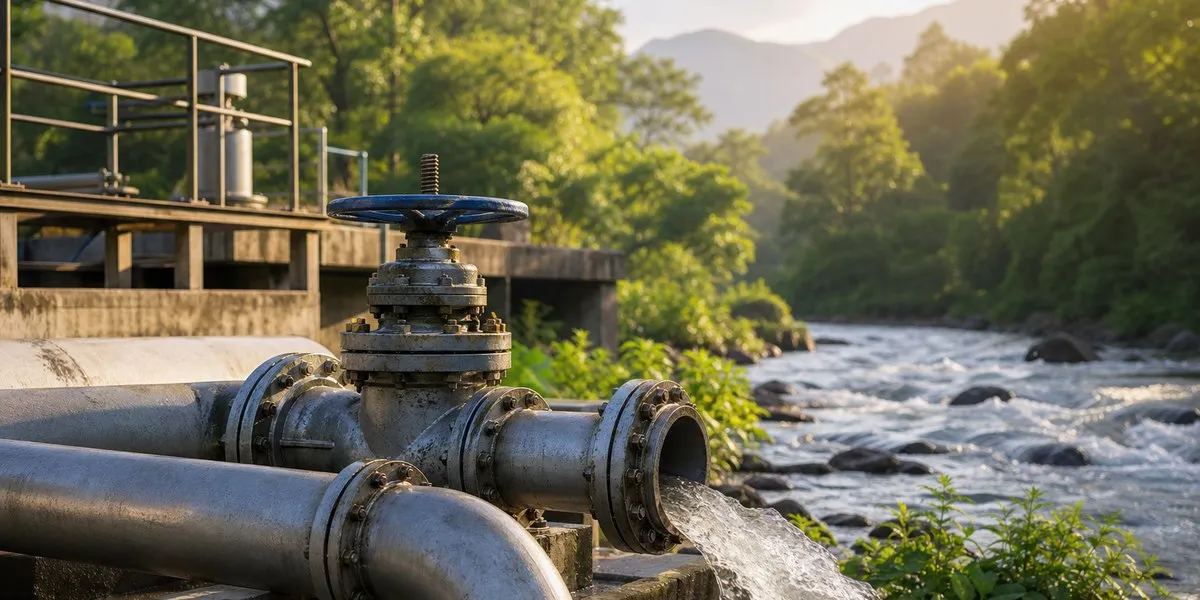
Representatives of political parties, local authorities, the district administration and other stakeholders in Parsa district have agreed on a five-point plan to combat pollution of the Sirsiya River. It provides for a complete ban on enterprises in the Parsa–Bara industrial corridor discharging untreated industrial effluent into the river. This was reported by the Kathmandu Post.
Enterprises must also keep treatment facilities operating at full capacity around the clock. The decision was made at a meeting chaired by Chief District Officer Bhola Dahal, which was also attended by Birgunj Mayor Rajeshman Singh.
Common treatment facility
Small and medium-sized enterprises that cannot afford individual treatment systems will be offered the option of using a common treatment facility. Its establishment is to be led by the Birgunj Chamber of Commerce and Industry with government subsidies. Authorities plan to identify a suitable plot of land and prepare a feasibility study.
More current news is available on the UA.News Telegram channel Telegram.
Meeting participants also decided to seek technical assistance from federal and provincial authorities for the river’s long-term restoration. In addition, they plan to establish a joint Sirsiya conservation fund, to which authorities at all three levels will contribute.
Redirecting urban wastewater
Birgunj city authorities and neighboring local governments are to begin work on alternative drainage channels so that urban sewage does not flow directly into the river. Ahead of the Chhath festival, enterprises were also advised not to discharge waste or other materials into the water and to release only treated water from treatment facilities.
The Sirsiya, which flows through the Parsa–Bara industrial corridor, has been polluted for more than four decades. According to the publication, enterprises accused of causing the pollution continued to discharge untreated effluent and ash into the river despite government directives. Residents of riverside communities in Parsa and Bara complain of polluted water and an unpleasant smell. The problem also affects downstream communities in India.




