
In Punjab, 63 people detained during campaign against illegal water extraction — Dawn
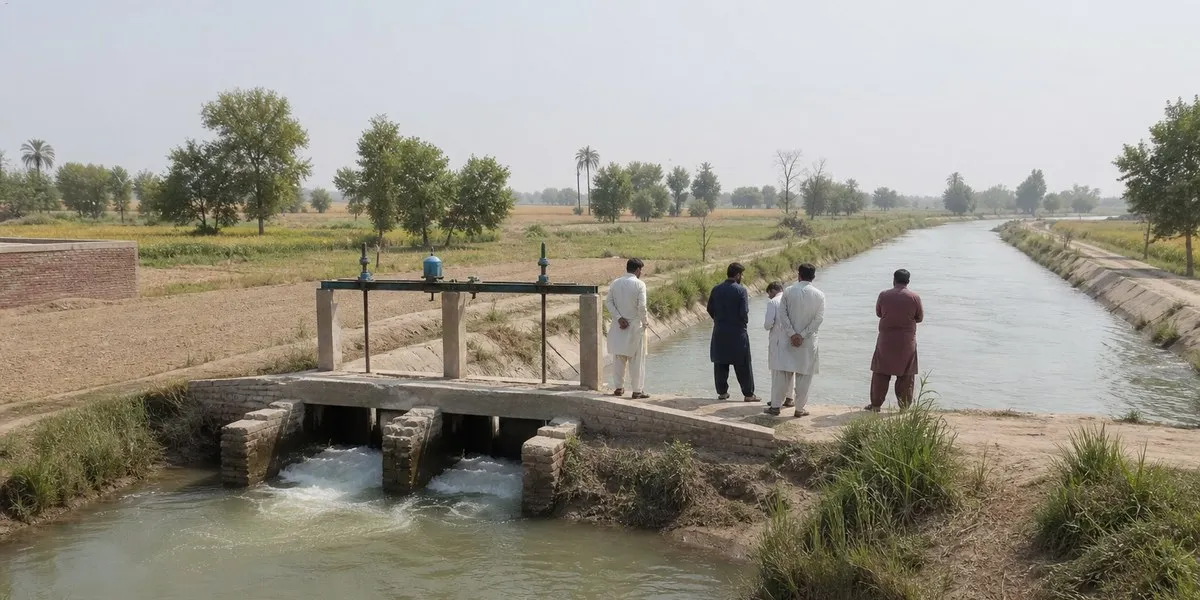
In Pakistan’s Punjab province, the irrigation department has registered 200 first information reports (FIRs) since mid-October over the illegal extraction of water from canals. As part of this campaign, 63 people have been detained. The measures are being carried out amid a 22% water shortage in the current rabi season, Dawn reports.
Water outlet inspections
On the instructions of the province’s chief minister, the department’s field teams have inspected 19,436 water outlets in canals since the start of the season on October 15. The campaign targets unauthorized cuts in canals, the installation of siphons and interference with water outlets, through which water may fail to reach farmers in the lower part of the irrigation system.
According to the department, 1,311 water outlets with signs of interference were identified, of which 1,148 have already been restored. A further 737 violations were recorded, including the illegal installation of pipes and cuts in canals; 718 of them were eliminated. Officials sent 715 notices, known as rokaris, to local police, while the total amount of fines imposed reached 915,500 Pakistani rupees.
More current news is available on the UA.News Telegram channel Telegram.
A department representative said the campaign includes round-the-clock patrols, coordinated night operations and announcements in mosques calling for action against illegal water extraction.
Limited water allocation
The Indus River System Authority reported that 29.18 million acre-feet of water are available for the 2026–2027 rabi season, compared with a requirement of 38 million acre-feet under the 1991 Water Accord. As a result, water withdrawal volumes for the provinces were reduced, with Punjab allocated 15.564 million acre-feet of water.
The highest number of cases of interference with water outlets was recorded in the Bahawalpur irrigation zone, with 621, followed by Faisalabad with 326 cases and Lahore with 121. The highest number of FIRs was registered in Sargodha, at 50, followed by Bahawalpur with 44 and the Multan zone with 33. According to a department representative, FIRs were registered and detentions carried out in cases of repeated violations, illegal expansion of water outlets or the installation of siphon pipes.




