
US visa refusal rate in South Korea rises to 24.73% — Korea Herald
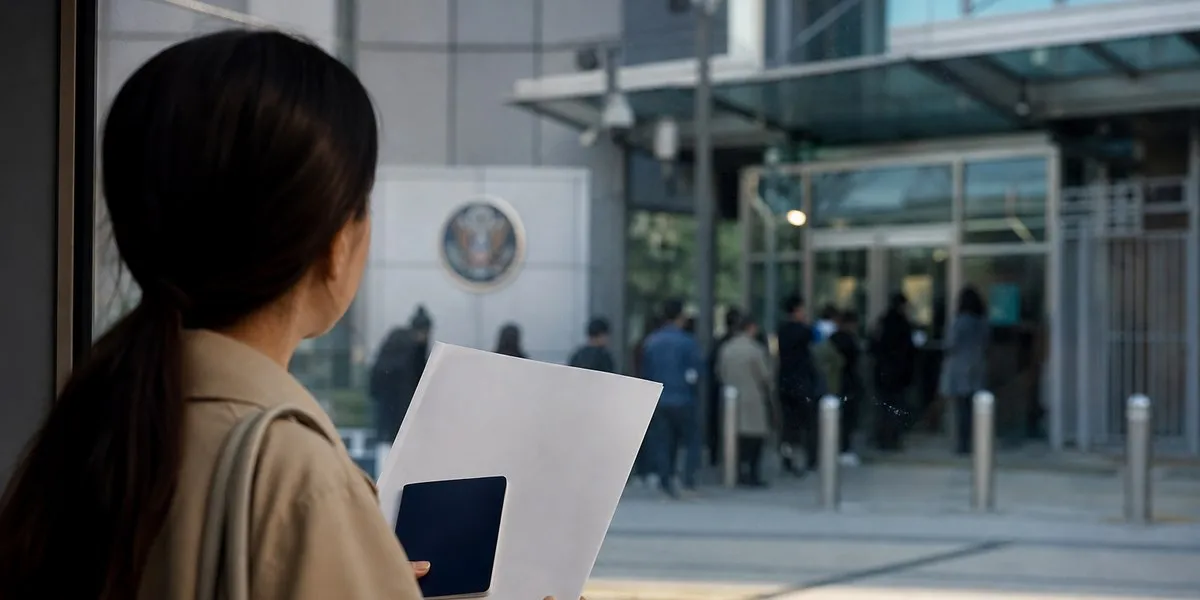
The refusal rate for South Korean citizens applying for US category B visas reached 24.73% between October 2024 and September 2025. This was 9.76 percentage points higher than in the previous fiscal year, Korea Herald reports, citing Foreign Ministry data released by lawmaker Kim Dae-sik.
Fewer visas issued
The number of visas in this category issued to South Korean citizens fell by 21.2%, from 15,508 to 12,226. The B-1 visa is intended for temporary business travel, while the B-2 visa is for tourism, medical treatment, and visits to relatives or friends.
The statistics cover B visa applicants and do not include South Koreans traveling to the United States without a visa under the electronic travel authorization system. Due to differences in who must apply for a visa, direct comparisons with countries outside the Visa Waiver Program are limited.
More current news is available on the UA.News Telegram channel Telegram.
Comparison with other countries
South Korea's rate exceeded refusal rates for a number of other participants in the US Visa Waiver Program: it was 20.44% in the United Kingdom, 5.68% in Japan, 9.67% in France, and 12.22% in Germany. For China, the refusal rate declined from 25.37% to 20.21%, while in India and Vietnam it stood at 22.05% and 22.08%, respectively. China, India, and Vietnam do not participate in the US Visa Waiver Program.
A South Korean Foreign Ministry official said it was difficult to determine the exact reasons for the refusals because the United States does not disclose them. He suggested that stricter screening could have been related to domestic political debates on immigration in the United States. Opposition lawmaker Kim Dae-sik also called for checking whether Seoul's diplomatic and defense policy toward Washington and changes in bilateral relations could have affected the figures. At the same time, the publication notes that the events he cited in the context of relations between Seoul and Washington occurred more than a year after the period covered by the visa statistics.




