
Scientists: Open landscapes dominated Europe for more than 20 million years — ScienceDaily
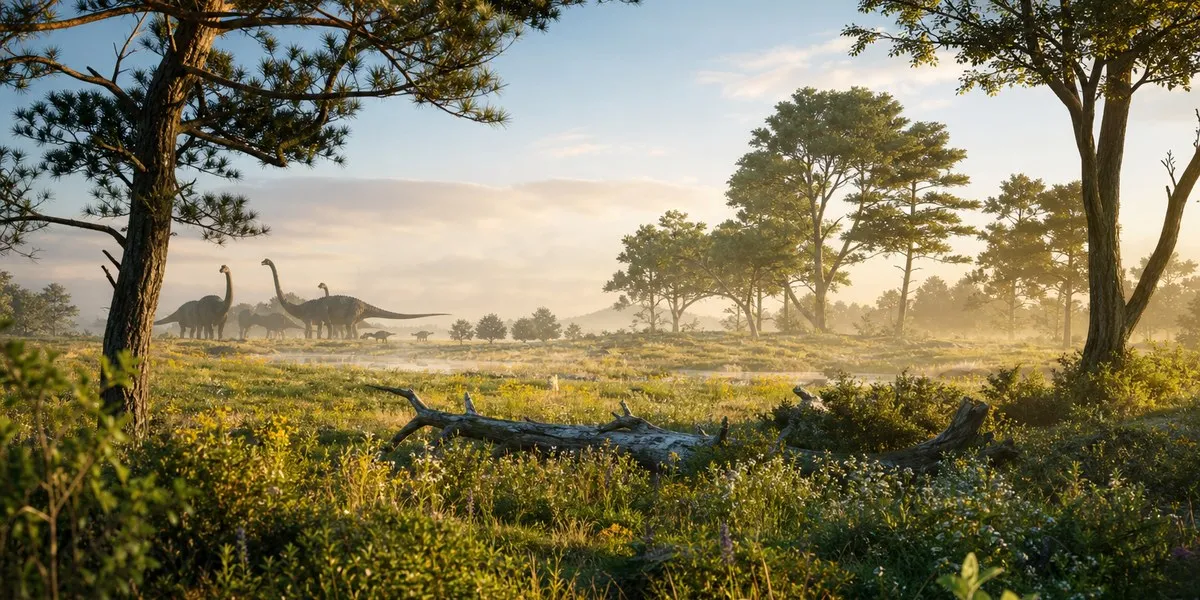
Researchers led by Aarhus University in Denmark concluded that for more than 20 million years, Europe was dominated not by continuous dense forests, but by a mosaic of open woodlands, meadows, shrublands and open grassy areas. ScienceDaily reports on the findings, published in the journal Biological Conservation.
Evidence from the Miocene to the pre-industrial era
The scientists analyzed paleoecological data from the Miocene, which began about 23 million years ago, to the pre-industrial period. They combined data from fossil pollen and plant remains, charcoal from ancient fires, chemical traces in the teeth and bones of herbivorous animals, as well as fossil insects and mammals and ancient environmental DNA from sediments.
According to the authors, this body of evidence makes it possible to assess not only the composition of vegetation, but also ecosystem changes and the impact of animals on them. Mosaic landscapes existed in temperate climates similar to those found today in many parts of Europe, as well as during warmer and colder periods.
More current news is available on the UA.News Telegram channel Telegram.
The role of large herbivores
An important factor in maintaining open spaces was large herbivores — elephants, rhinoceroses, aurochs and bison. Grazing, browsing on shrubs and soil disturbance caused by the movement of these animals prevented areas from becoming overgrown with trees and shrubs, creating conditions for grasses and wildflowers.
The researchers note that modern European ecosystems lack such an impact: many large wild herbivores have disappeared, while traditional extensive grazing has declined in many regions over the past century. In the authors’ view, nature restoration should not be reduced to creating continuous forests, as this may diminish the diversity of habitats to which European species have adapted over millions of years.
Instead, the scientists propose maintaining a combination of open meadows, sparse forests and areas shaped by natural grazing. They also link ancient open landscapes to the evolutionary history of species now often considered typical of agricultural land, including skylarks, jackdaws, European hamsters and wild poppies.




