
8,200 sharks and rays die during algal bloom in Australia — ABC News Australia
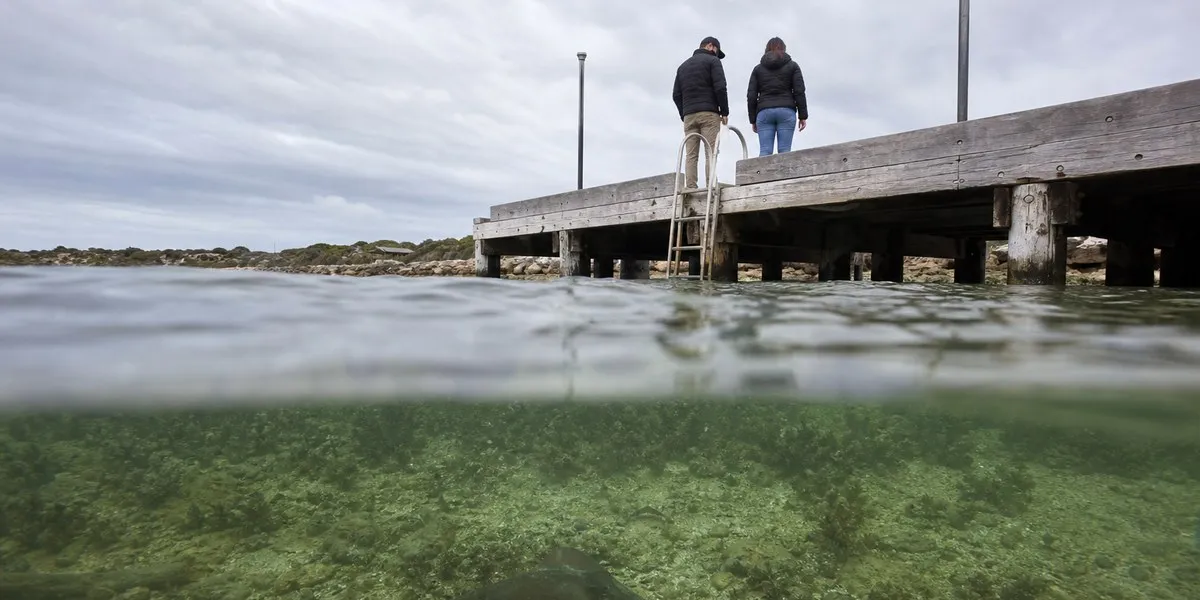
More than 8,200 dead sharks and rays were recorded in South Australia during a harmful algal bloom. The data were collected based on thousands of reports from citizen scientists about animals washed ashore, ABC News reports.
Charlie Huveneers, director of the Flinders University Marine and Coastal Research Consortium, said this was likely the largest mass mortality of sharks and rays ever recorded. According to him, the actual number of deaths may be higher, as not all cases were documented.
Thousands of dead rays
Among the recorded animals were about 4,500 southern fiddler rays, 850 Port Jackson sharks and 670 wobbegongs. Although the ranges of most affected species extend beyond the bloom zone, the report warned that some local populations may have collapsed.
According to Huveneers, none of the more than 150 sharks and rays that researchers tagged before the bloom returned after 12 months. His research also points to a difficult situation for Port Jackson shark and fiddler ray populations in urban areas.
More current news is available on the UA.News Telegram channel Telegram.
Rare species at risk
Diver David Muirhead photographed a rare dwarf thorny skate near the jetty in Edithburgh at the start of the bloom; it had usually only been seen after being caught by trawlers. The species has a very limited range, mostly in the waters of South Australia affected by the bloom.
Huveneers said species with small populations or a narrow range overlapping the bloom zone could be on the brink of extinction. Similar risks apply to the coastal stingaree, which the International Union for Conservation of Nature considers a threatened species. At the same time, these two species are not listed by the federal government as threatened species.
Muirhead said he has observed the recovery of many common bony fish and marine invertebrates, but has seen only one ray since the bloom. Huveneers believes that the recovery of sharks and rays may take a long time because of their late maturity, low reproductive rate and small number of offspring.




