
New extinct bird species described in Indonesia from foot bone — Mongabay
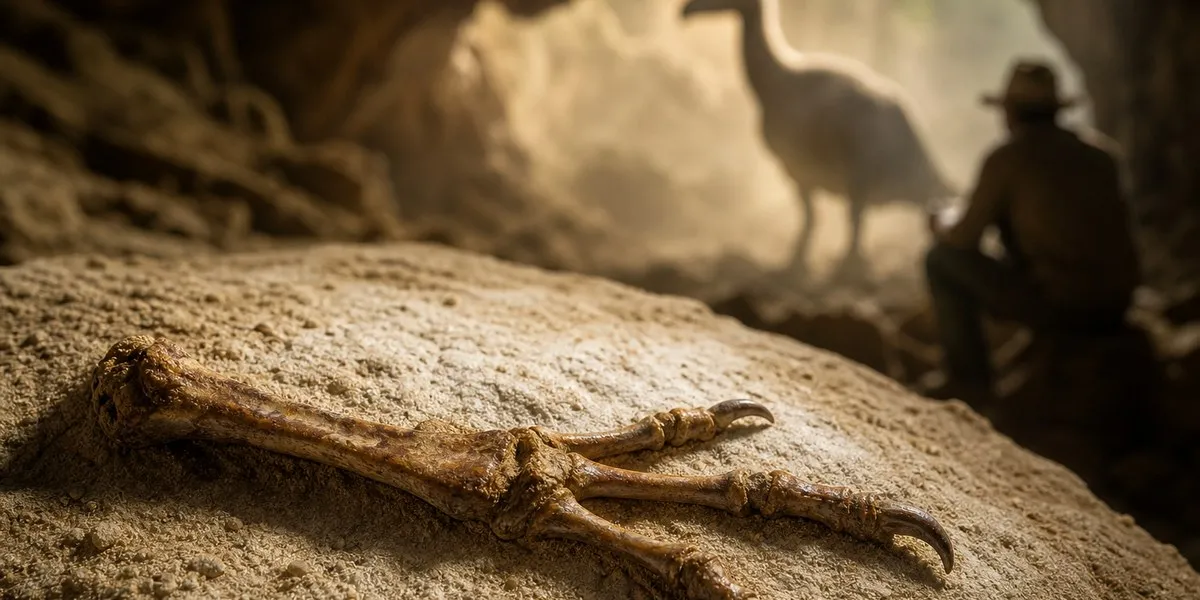
Archaeologists studying Liang Bua Cave on the Indonesian island of Flores have identified a new species of extinct large bird, Megapodius rokusi. It was described from a fossilized right foot bone found in layers of cave deposits dating from 190,000 to 120,000 years ago, Mongabay reports.
The largest representative of the genus
The new species belonged to megapodes, large chicken-like birds that now live in Australasia. They build nests in the ground and incubate their eggs using environmental heat rather than their own body heat.
Researchers estimated the mass of M. rokusi at approximately 3.9 kilograms. According to the authors of the scientific paper, it is the largest described representative of the genus Megapodius. Twelve modern species of this genus are currently known. Only one of them lives on Flores: the orange-footed scrubfowl, M. reinwardt, which weighs from 0.5 to 1.2 kilograms.
More current news is available on the UA.News Telegram channel Telegram.
A discovery in Wallacea
The find was the first described fossil megapode from Indonesia and the first fossil representative of this group from Wallacea, a biologically distinct region between Southeast Asia and Australia. The study's lead author, University Museum of Bergen paleontologist Hanneke Meijer, noted that little is known about the history of birds in this region.
The species was named in honor of Indonesian zooarchaeologist Rokus Due Awe, who studied animal remains from Liang Bua and was the first to identify hominin remains that were later assigned to the early human species Homo floresiensis. According to the authors, M. rokusi became the first megapode species named after an Indonesian scientist.
Because the description is based on only one foot bone, researchers have not yet determined whether this bird could fly, when it became extinct, or whether it coexisted with the modern orange-footed scrubfowl.




