
Horvat Burgin complex opens to visitors in Israel — Jerusalem Post
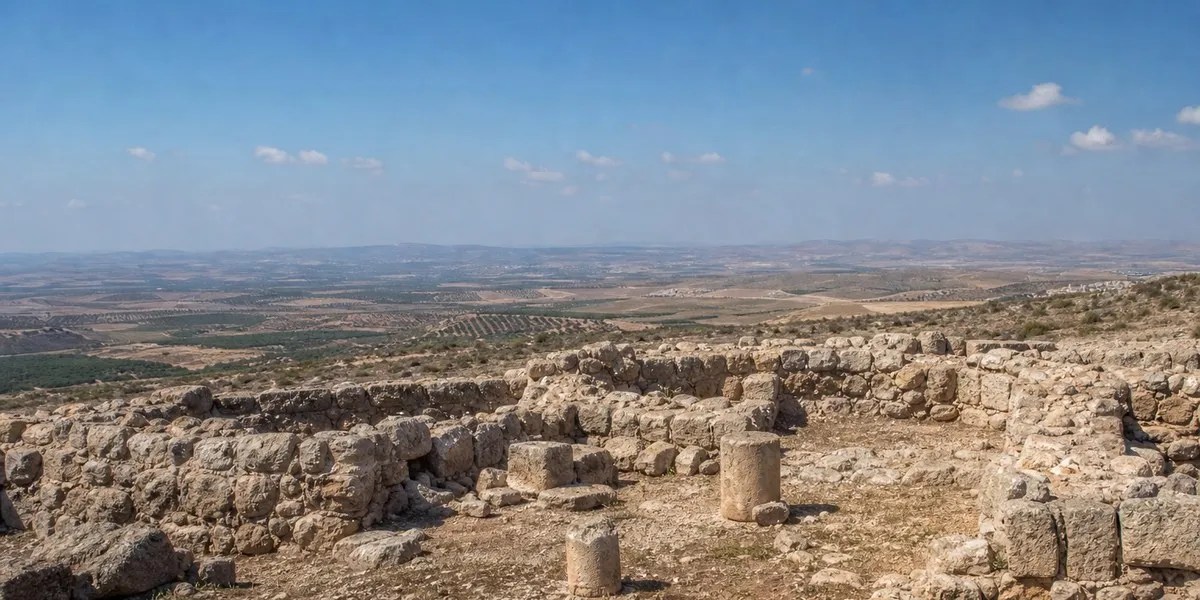
The Horvat Burgin archaeological complex in Adulam-France Park has opened to visitors in Israel. Its grounds contain underground tunnels that, according to archaeologists, were used by Jewish rebels hiding from the Romans, as well as the remains of a Byzantine church with colorful mosaics.
The opening was carried out by the Jewish National Fund, the Israel Antiquities Authority and the Mateh Yehuda Regional Council after excavations, conservation work and preparations of the site for visitors, the Jerusalem Post reports.
A settlement from the Second Temple period
Previous excavations confirmed the existence at the site of a large settlement from the Second Temple period that existed until the Ottoman era. Researchers suggest that it may have been the settlement of Kfar Bish, mentioned in the works of Flavius Josephus.
During the early Roman period, residents carved an extensive network of hiding places into the bedrock in preparation for conflict. According to the publication, the settlement was besieged by the Romans and destroyed during the Bar Kokhba revolt in 132–136 CE.
More current news is available on the UA.News Telegram channel Telegram.
Church and underground structures
After the settlement was destroyed, a pagan population settled on its ruins, constructing new above-ground buildings and creating burial structures underground. During the Byzantine era, a church and monastic complex were built here. Archaeologists also found columbaria for breeding pigeons and wine presses.
Amir Ganor, head of the Israel Antiquities Authority's Antiquities Theft Prevention Unit, said that Horvat Burgin is the largest ancient settlement in the area in terms of its area and the scale of its preserved remains. According to him, the site suffered from antiquities looting for a long time: looters entered burial caves and underground hiding places and also damaged above-ground structures.
Ganor said that protective measures, the detention of groups of looters, excavations, the creation of the Adulam Caves Park and the opening of the complex to the public helped stop the further destruction of the site.




