
South African Vice President Mashatile to visit Bronkhorstspruit after outbreak — TimesLIVE
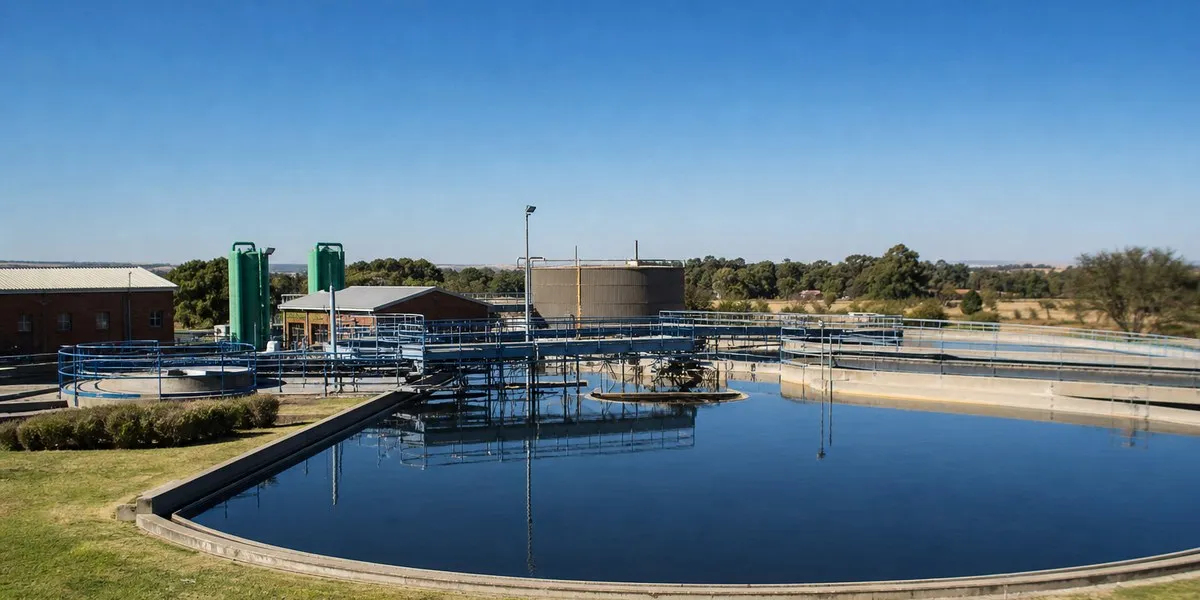
South African Vice President Paul Mashatile is to visit Bronkhorstspruit, where more than 400 cases of gastrointestinal illness have been recorded. Those who fell ill consumed water suspected of being contaminated and linked to a local water treatment plant. As TimesLIVE reports, he also plans to visit hospitalized patients.
Inspection of the water treatment plant
Mashatile will be joined in Bronkhorstspruit by Water and Sanitation Minister Pemmy Majodina, her deputy David Mahlobo, Gauteng Premier Panyaza Lesufi, Gauteng MEC for Infrastructure Development, Cooperative Governance and Traditional Affairs Jacob Mamabolo, and Tshwane Mayor Nasiphi Moya.
The visit will take place as part of the work of the Interministerial Committee on Water and Sanitation, which is chaired by the vice president. Officials are expected to inspect Bronkhorstspruit’s water treatment facilities, receive information on the state of the infrastructure and measures to restore safe and reliable water supply. The Presidency said Mashatile will also discuss coordination of actions and accountability for resolving the crisis with the City of Tshwane and government departments.
More current news is available on the UA.News Telegram channel Telegram.
Lack of chlorination and E. coli
On Friday, Tshwane representatives reported to the parliamentary health committee. Anet Muir, head of water use control and compliance at the Department of Water and Sanitation, said the situation resulted from prolonged non-compliance with water quality requirements.
According to her, a corrective action plan submitted by the city after a non-compliance letter in February 2026 was not implemented within the set deadlines. The plan provided for the procurement of chemicals, repair of filtration equipment, resolution of problems with raw water pumping, commissioning of pumps and recruitment of critically needed staff.
During an inspection on 14 October, department representatives found that chlorination had been stopped because chlorine stocks had run out. According to operational records, chlorine was last used on 23 September, after which the system operated for another 21 days before stopping. Subsequent water tests found high levels of E. coli throughout the supply system. Muir also noted that a warning to residents issued on 13 October concerned high water turbidity but did not contain a clear message about the danger posed by the lack of chlorination.




