
Vulcan Centaur to launch 40 Amazon Leo satellites — Space.com
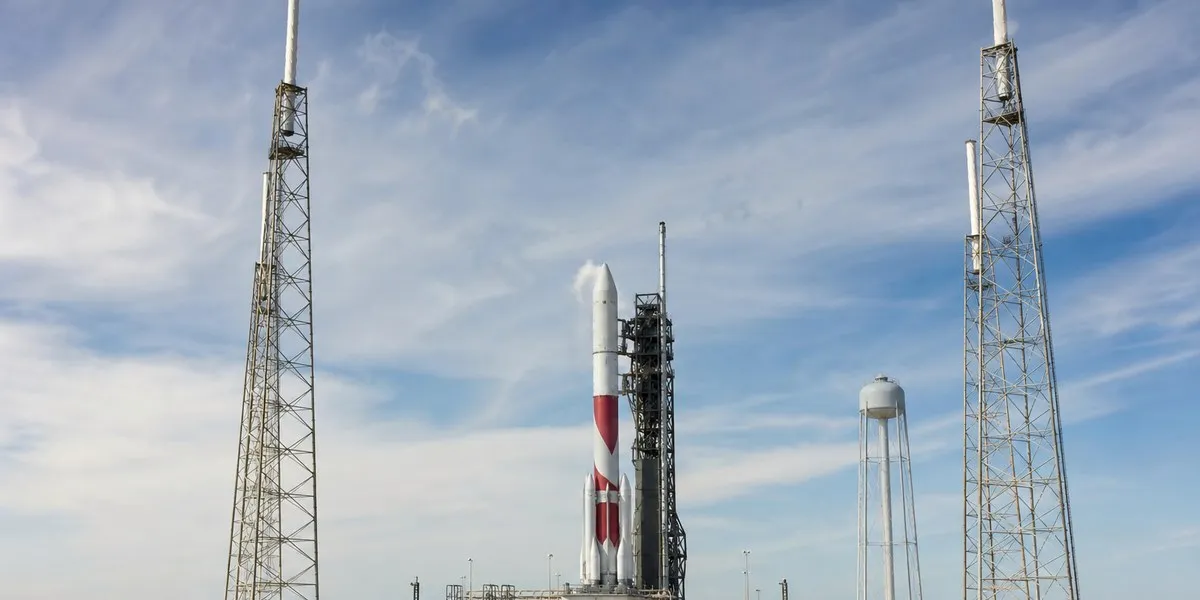
United Launch Alliance's (ULA) Vulcan Centaur launch vehicle is scheduled to lift off on November 13 from Cape Canaveral Space Force Station in Florida and place 40 Amazon Leo internet satellites into orbit. The launch is scheduled for 12:54 p.m. U.S. Eastern Time, or 17:54 GMT. It will be the rocket's first flight since February, Space.com reports.
First launch after a break
Vulcan Centaur debuted in January 2024 and has since completed three more flights. During the second launch in October 2024 and the fourth one in February 2026, problems arose with one of the solid rocket boosters. About 30 seconds after liftoff, the booster nozzle burned through and fell off in both cases.
Despite this, the rocket successfully delivered its payloads to their designated orbits. The U.S. Space Force suspended national security mission launches on Vulcan Centaur until ULA resolved the issue. ULA said it had identified several possible factors behind the anomaly and made changes to the nozzle design and manufacturing processes. The current mission will use an improved nozzle design.
More current news is available on the UA.News Telegram channel Telegram.
Satellites for Amazon's network
The launch, called Vulcan Leo 1, is intended to expand Amazon Leo's low-Earth-orbit broadband internet constellation, previously known as Project Kuiper. The network is expected to eventually consist of more than 3,200 satellites and compete with SpaceX's Starlink.
About 400 Amazon Leo satellites have already been sent into space in 15 launches using Atlas V, Falcon 9, and Ariane 6 rockets. If the current mission goes as planned, Vulcan Centaur will deploy 40 spacecraft over 25 minutes, beginning about 70 minutes after liftoff, at an altitude of about 435 kilometers above Earth.




