
Egat prepares to develop virtual power plants in Thailand — Bangkok Post
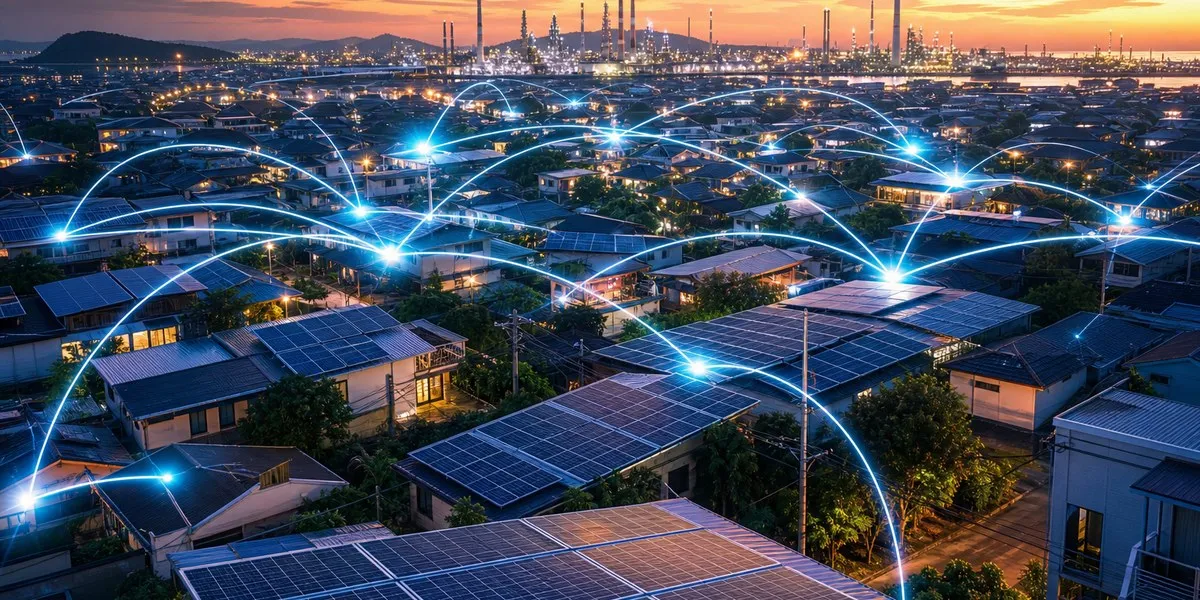
In Thailand, the Electricity Generating Authority of Thailand (Egat) is preparing to deploy virtual power plant technologies after successfully testing a relevant project. This was reported by the Bangkok Post, citing an official involved in the initiative. According to him, the country is moving toward a more flexible electricity supply system with digital management.
Combining distributed generation
A virtual power plant combines numerous small renewable energy sources, including rooftop solar installations, into a coordinated network capable of supplying electricity to the national power system. This approach differs from Thailand's traditional model, which has long relied on large centralized power plants.
Virtual power plants, demand management systems and “smart” power grids are expected to operate together. “Smart” grids use digital technologies, sensors and two-way communication networks to monitor and distribute electricity flows in real time and balance demand and supply.
A demand management system encourages consumers to automatically reduce or shift their electricity consumption during peak demand hours. This is important because solar and wind generation output depends on weather conditions, while effective demand management is intended to support grid stability.
More current news is available on the UA.News Telegram channel Telegram.
Energy plan project
The initiative is aligned with the draft 2026 Thailand Power Development Plan, which provides for more active use of renewable energy and modern grid management technologies. According to the publication, Egat plans to move beyond the pilot site and use these technologies to prepare for future challenges in the energy sector.
The draft plan envisages combining millions of distributed energy resources through virtual power plants, with a target capacity of 14,000 MW by the middle of the century. The strategy is expected to strengthen energy security, improve renewable energy integration and support the transition to a lower-carbon electricity sector.
Thailand continues to depend on imported fossil fuels, primarily natural gas, which accounts for nearly 60% of the fuel used to generate electricity. In 2019–2022, the Energy Regulatory Commission had already conducted an experiment involving virtual power plants, demand management and “smart” grids, but the program did not proceed to commercial deployment at that time.




