
US oil and gas companies may have earned $130 billion during the war with Iran — Al Jazeera
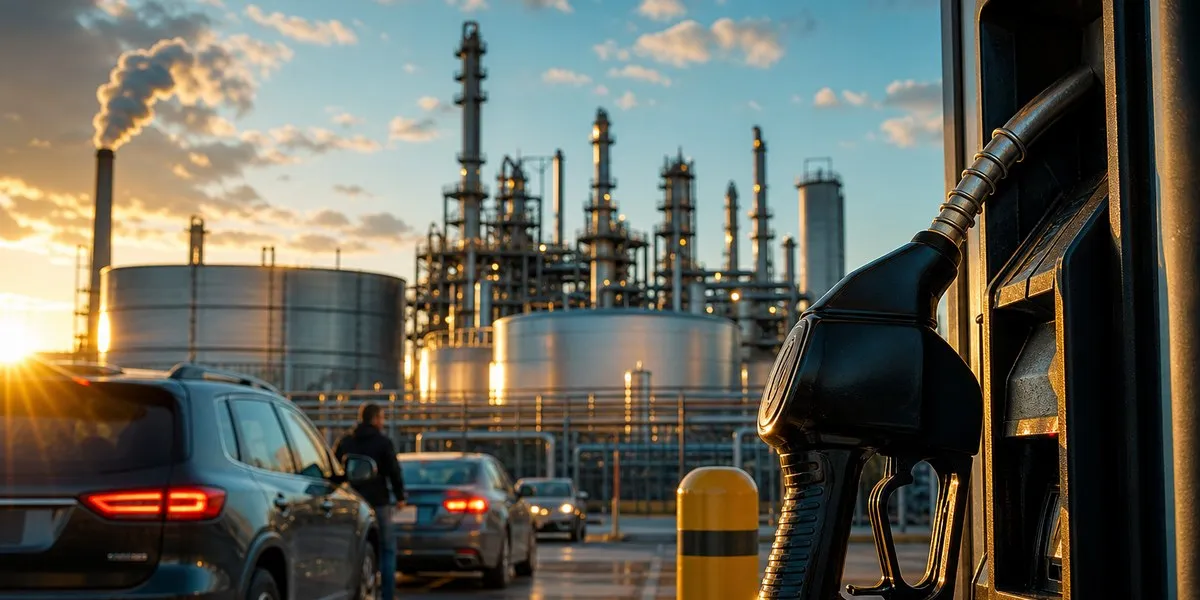
According to an estimate by The New York Times, 51 major US oil and gas companies may have earned more than $130 billion over six months of the US and Israeli war against Iran. At the same time, Americans spent an additional $150 billion on gasoline and diesel fuel, Al Jazeera reports.
The estimate covers the period from April through September and is based on the financial results of 51 major American companies. During the same months of 2025, they collectively earned less than $47 billion in profit. According to Brown University’s Climate Solutions Lab, since the war began on February 28, Americans’ additional fuel costs have averaged more than $1,150 per household.
Profits of producers and refiners
Nasser al-Tamimi, an expert at the Italian Institute for International Political Studies in Milan, explained that crude oil producers benefit from higher prices, while oil refining companies benefit from high margins caused by shortages of diesel and other fuels. The market was also affected by damage to oil refineries in the Middle East and Russia, disruptions to transportation through the Strait of Hormuz, and trade restrictions.
ExxonMobil and Chevron reported profits ranging from $10 billion to $15 billion. At the same time, The New York Times notes that these figures were generally lower than in 2022, when the price of oil reached about $100 per barrel. From April through September, the average price was about $90 per barrel.
More current news is available on the UA.News Telegram channel Telegram.
Valero Energy’s third-quarter profit increased more than sixfold to $6.83 billion. Phillips 66 reported record quarterly net income, which rose from $133 million a year earlier to $5.62 billion.
Risks to supplies and prices
Geopolitical analyst Jeffrey Miller called the US and Israeli war against Iran the largest supply shock in global oil and petroleum product markets in recent years. According to him, US operators may benefit from the risk premium, while producers in Persian Gulf countries face higher costs, risks, and physical damage to infrastructure.
According to monitoring organization ACLED, Iran and groups it supports carried out at least 172 attacks on non-military infrastructure in six countries of the Gulf Cooperation Council. Iran also effectively restricted the passage of most vessels through the Strait of Hormuz, while the United States responded by imposing a naval blockade on Iranian oil and gas supplies.
Rabobank strategist Florence Schmit believes that prices for key energy resources may remain high next year as long as uncertainty persists over the duration of the war. According to the World Bank’s forecast, commodity prices will rise by 23% this year.




