
Posco Future M signs deal with Samsung SDI worth about $4.5 billion — Korea Herald
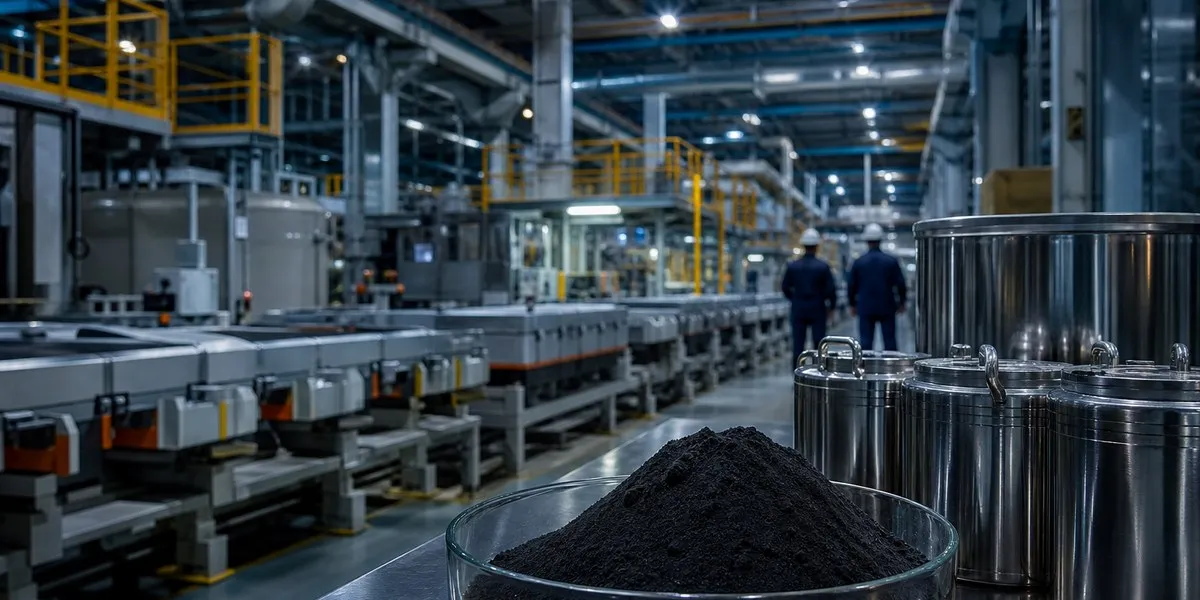
South Korea’s Posco Future M has signed a long-term agreement with Samsung SDI to supply lithium iron phosphate (LFP)-based cathode active materials worth about 6 trillion won, or $4.5 billion. Deliveries will run from 2027 to 2032, Korea Herald reports.
The company said the volume covered by the contract is more than double the 190,000 tonnes included in a previous agreement signed in August. Earlier, Posco Future M also reached an agreement with SK On to supply LFP materials worth approximately 1.1 trillion won in 2027–2029, with an option to extend the contract by another two years.
Production conversion
To fulfill the new orders, Posco Future M converted part of its high-nickel cathode production lines in the city of Pohang for LFP products. Mass production on these lines is planned to begin by the end of the year. The company is also building a dedicated LFP cathode plant in Pohang together with Chinese precursor producer CNGR. Production at the facility is expected to begin next year, while its potential annual capacity is to reach 50,000 tonnes.
Another Korean cathode producer, L&F, last month signed an agreement with SK On to supply LFP materials worth approximately 160 billion won. In March, the company also signed a three-year agreement with Samsung SDI worth 1.6 trillion won, which will begin in 2027. Samsung SDI plans to use L&F materials for energy storage systems made at its joint plant with Stellantis in Indiana.
More current news is available on the UA.News Telegram channel Telegram.
Demand for energy storage systems
L&F Plus, an LFP-focused subsidiary, opened a plant in Daegu in May and began shipping test products in July. Its annual capacity is expected to increase from 30,000 to 60,000 tonnes by the middle of next year.
Korean battery manufacturers are expanding their energy storage system businesses in North America amid a prolonged slowdown in the electric vehicle battery market. LFP batteries are less attractive for premium electric vehicles, where driving range is a priority, but they are cheaper, have a longer cycle life and higher thermal stability.
US restrictions on Chinese suppliers
Korean companies were propelled by stricter US rules on advanced manufacturing tax credits. They establish a minimum share of direct material costs that must come from suppliers not linked to prohibited foreign entities, including Chinese ones.
In 2026, at least 60% of the value of battery materials must come from such sources; in 2027, the threshold will rise to 65%, and in 2028 to 70%. From 2029, the requirement will stand at 80%, and from 2030 at 85%. At the same time, Chinese manufacturers retain a significant advantage in costs and scale: according to the International Energy Agency, China produces more than 98% of the world’s LFP cathode materials and battery cells.




