
Some species in the Gulf of Mexico declined by 60% after BP disaster — CBC
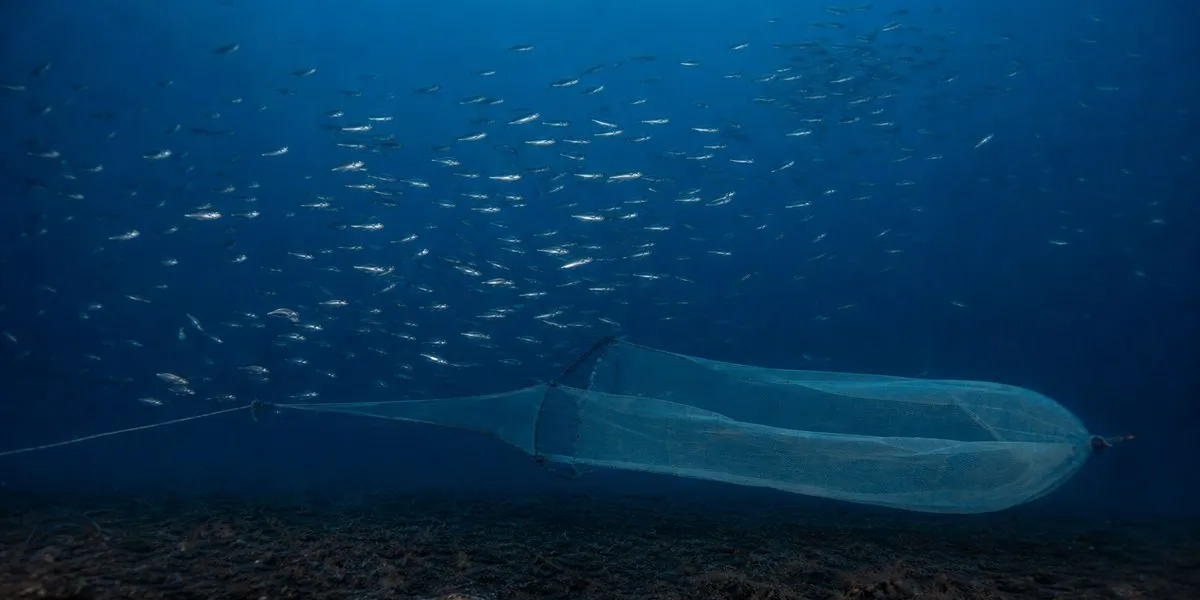
In the Gulf of Mexico, United States, more than 16 years after the Deepwater Horizon oil platform disaster, researchers have recorded a persistent decline in the populations of some species of fish, crustaceans and squid. For some species, the decline is about 60%, and their populations have not recovered since the 2010 disaster, CBC reports.
Consequences of the oil spill
The Deepwater Horizon platform, operated by BP off the coast of Louisiana, exploded on April 20, 2010. Eleven people were killed and another 17 were injured. Over the following three months, up to 4.9 million barrels of oil entered the Gulf of Mexico, according to an estimate by a U.S. government task force.
During the first three and a half years after the spill, the populations of certain species fell by 60–85%. The new study combined the results of another eight years of scanning and sampling; it was published in the journal Proceedings of the National Academy of Sciences. According to biological oceanographer Tracey Sutton, population levels remain low, while dense concentrations of prey needed by predators have disappeared.
More current news is available on the UA.News Telegram channel Telegram.
Oil compounds in animal tissues
The study's authors consider the consequences of the Deepwater Horizon disaster to be the most likely cause of the prolonged decline. In the collected samples, they continue to detect polycyclic aromatic hydrocarbons — components of oil — in the muscle tissue and roe of deep-sea fish and squid. Scientists note that these compounds may affect the health and reproduction of animals, as well as the sense of smell of males of some fish species, which is needed to find mates.
Independent experts interviewed by CBC noted that the study accounted for natural factors that can affect fish populations, including water temperature, food availability and oxygen levels. They called this approach one of the study's strengths.
Impact on the deep-sea ecosystem
Observations were conducted in the deep pelagic zone at depths of approximately 200 to 1,500 metres. It is home to, among others, lanternfish, rays, sperm whales and krill. Many of these organisms regularly migrate between the surface and depth, transporting energy and carbon into the ocean's interior. Scientists stress that a decline in their populations could weaken the ocean's role in absorbing carbon dioxide.




