
Inulin reduced knee osteoarthritis pain in trial — ScienceDaily
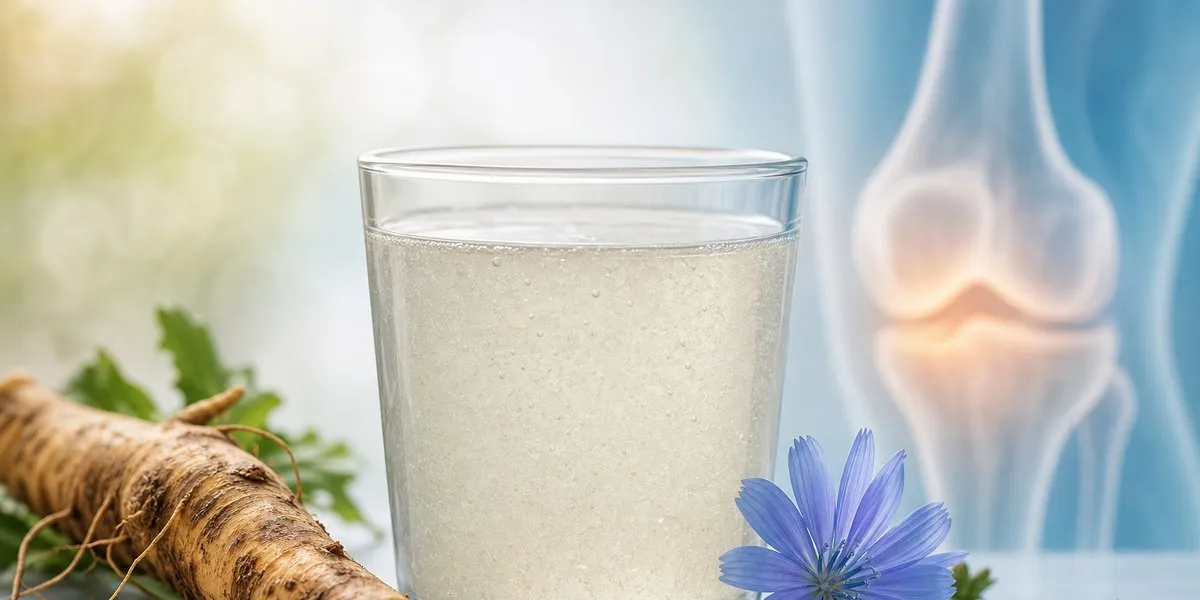
In a six-week randomized trial involving 117 adults with knee osteoarthritis, daily intake of the prebiotic fiber inulin was associated with reduced pain, better grip strength and lower pain sensitivity. The INSPIRE trial was conducted by researchers at the University of Nottingham, ScienceDaily reports.
Four groups of participants
Participants were assigned to four groups: inulin, digitally supported physiotherapy exercises, a combination of inulin and physiotherapy, or placebo. Both the fiber supplement and physiotherapy separately reduced knee pain. At the same time, the inulin group also showed improved grip strength and reduced pain sensitivity — results that were not observed with physiotherapy alone.
Inulin is a natural dietary fiber found, among other sources, in chicory root and Jerusalem artichoke. It is not broken down in the small intestine but reaches the large intestine, where it serves as food for certain beneficial bacteria. Therefore, inulin is a prebiotic rather than a probiotic.
Changes in the gut microbiome
Researchers found that those taking inulin had higher levels of butyrate, one of the short-chain fatty acids produced when bacteria ferment fiber. They also had higher levels of the hormone GLP-1, which is involved in regulating blood sugar levels and appetite and is linked to pain regulation and muscle health.
More current news is available on the UA.News Telegram channel Telegram.
Higher GLP-1 levels were associated with better grip strength. However, the authors stressed that this link does not prove that the hormone itself caused the improvement in muscle function. The inulin used in the trial is not a GLP-1 drug.
Adherence to treatment
In the group taking inulin alone, 3.6% of people discontinued participation early, while among participants assigned to physiotherapy alone, the figure was 21%. The authors suggest that a daily supplement may be easier to incorporate into a regular routine than a structured exercise program.
The results were published in the journal Nutrients. The researchers caution that the trial was relatively small and lasted only six weeks, so larger studies are needed to confirm how long the effect lasts and determine which patients may benefit most from the approach. A fiber supplement should not replace exercise or other established treatments for osteoarthritis.




