
Scientists find that excess RNA directly harms mitochondria — ScienceDaily
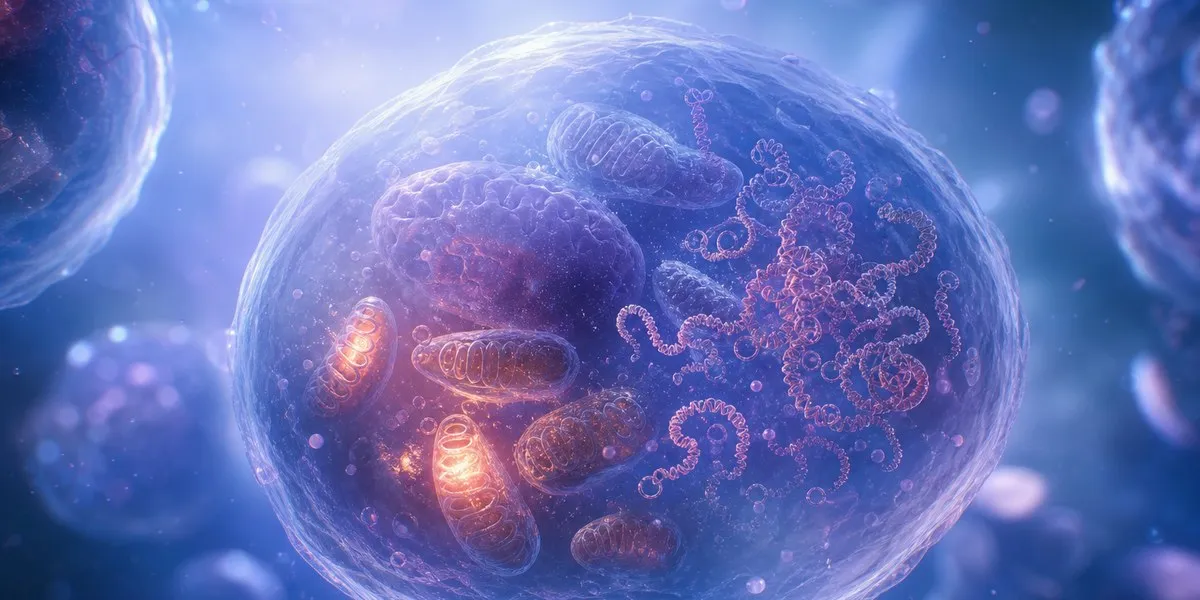
Researchers led by specialists at the Texas A&M University College of Veterinary Medicine and Biomedical Sciences found that excess RNA in cells can disrupt the function of mitochondria — structures that produce most of the energy a cell needs. As ScienceDaily reports, the work focused on RNA accumulation during infections caused by poxviruses, which include viruses that cause smallpox and mpox.
The study results were published in the journal Proceedings of the National Academy of Sciences. The scientists found that cellular RNA degradation systems are needed not only to control protein production, remove defective RNA molecules, and regulate immune responses. They also help maintain the cell's energy resources.
Mitochondrial dysfunction
During replication, viruses can produce substantial amounts of RNA. If more of it is produced than the cell can break down, RNA accumulates and may reduce energy production. It was previously known that an excessive amount of double-stranded RNA can trigger potentially harmful immune responses. However, the authors also found a negative effect from excess ordinary messenger RNA, which under normal conditions carries instructions for protein synthesis.
More current news is available on the UA.News Telegram channel Telegram.
Experiments with isolated mitochondria showed that damage occurred even after RNA was added without activating an immune response. In addition, mitochondrial problems were observed before substantial activation of immune mechanisms. This indicates that excess RNA may directly affect the function of these organelles.
Possible explanation and significance
The exact mechanism of this effect has not yet been established. The researchers suggest that negatively charged RNA in large quantities may accumulate near mitochondria and disrupt the electrical and chemical balance across their inner membrane. This balance is necessary for the formation of ATP — the main source of energy for cells.
The authors noted that abnormal RNA accumulation has been observed in certain cancerous, neurodegenerative, and aging-related conditions, but further research is needed to determine the prevalence of this mechanism and its role in diseases. The findings may also be useful for developing RNA therapies and mRNA vaccines. At the same time, the study does not establish that existing mRNA vaccines cause mitochondrial damage in people.




