
In Nepal, medical university plans to start classes before hospital is equipped — Kathmandu Post
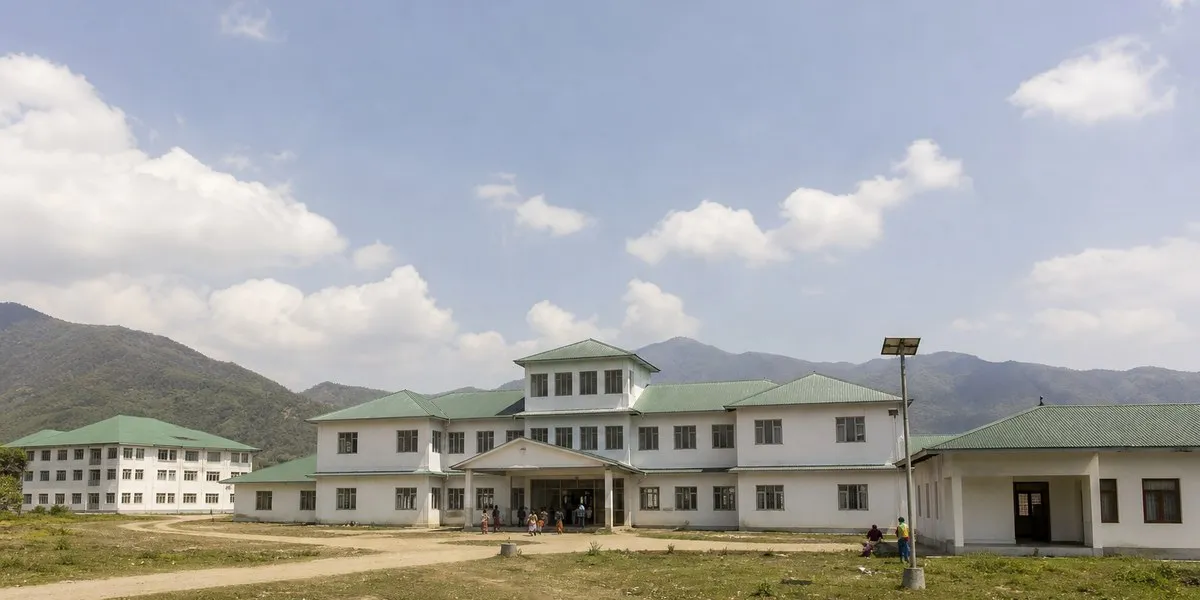
Martyr Dasharath Chand Medical University in Geta, in Nepal’s Kailali district, plans to launch academic programs in February 2027, although its teaching hospital is not yet fully equipped. The Medical Education Commission has allowed the institution to enroll 90 students in four programs, including 50 places in the Bachelor of Medicine and Bachelor of Surgery program, Kathmandu Post reports.
The commission also approved 20 places for Bachelor of Nursing students and 10 each for Medical Laboratory Technology and Optometry programs. The commission’s vice-chair, Devendra Bahadur Khatri, said permission was granted following conclusions by an inspection team and the seat allocation committee. According to him, medical students need clinical practice in a hospital after completing their first two years of foundational training, and the government must provide the necessary infrastructure by then.
Hospital readiness in question
The university administration insists that the institution meets the requirements. Registrar Bhim Bahadur Chand said the hospital has 325 operational beds, capacity for 622 beds, and infrastructure designed for a maximum of 920 beds. He also reported preparations of curricula, laboratories, equipment, clinical practice, and the recruitment of teaching staff.
More current news is available on the UA.News Telegram channel Telegram.
At the same time, doctors and hospital employees question its readiness to train medical professionals. During journalists’ visit, most buildings in the complex were empty, while outpatient services, the laboratory, ultrasound diagnostics, the emergency department, operating theatre, and intensive care functioned in only one building. General medicine and surgical wards were available for inpatients; there were no specialized wards for psychiatry, pediatrics, gynecology, otolaryngology, or orthopedics.
Staffing and cooperation with other hospitals
Hospital employees also say there is no blood bank, maternity service, or separate intensive care units for newborns and children. Doctors state that a program for 50 medical students requires at least 64 teachers: 23 specialists in basic sciences and 41 in clinical disciplines. They doubt that the university already has such a staff.
Chand rejected these claims and said that the remaining teachers are expected to join shortly before classes begin. According to him, by the time students complete their first two years, the hospital should be fully operational with 500 beds. The university has also signed 20-year cooperation agreements with four provincial hospitals: Seti, Mahakali, Lamkichuha, and Tikapur. The administration explains the partnerships by provisions of the relevant law, while some local residents and medical professionals fear that the institution will rely on other hospitals instead of developing its own.




