
US airfare prices rise more than 22% despite declining passenger traffic — CNBC
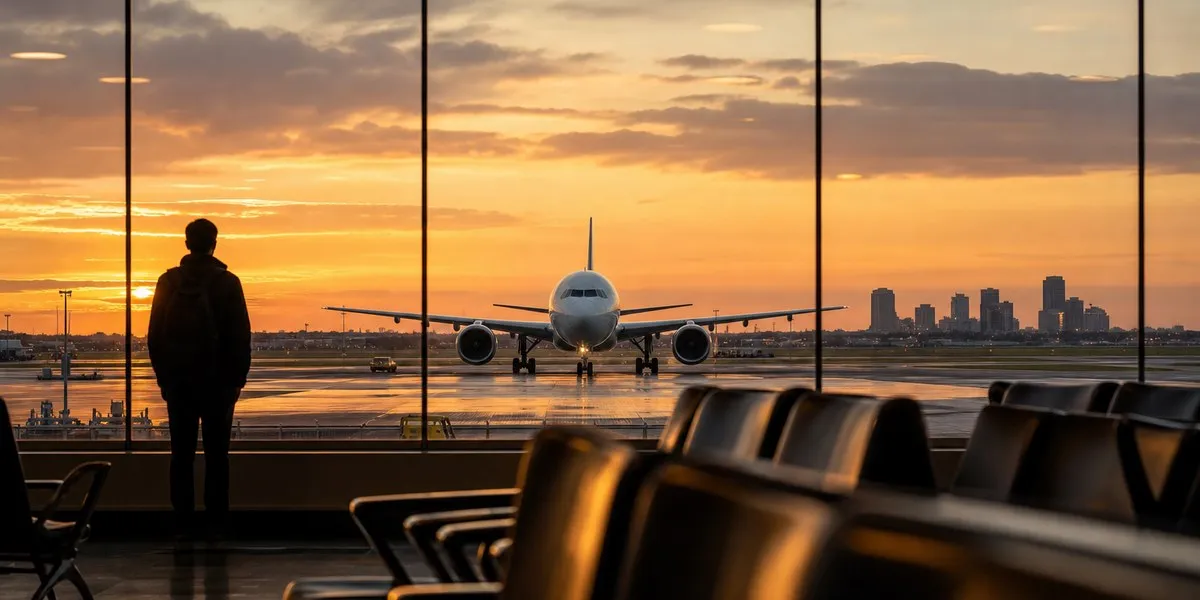
In the United States, the number of passengers passing through aviation security checkpoints may decline year-on-year this year for the first time since 2020. At the same time, airlines are betting on higher fares rather than maximum aircraft occupancy. CNBC reports.
According to the latest inflation report, airfare prices in September were more than 22% higher than a year earlier. Carriers attribute the increase to a sharp rise in the cost of jet fuel, their largest expense after labor costs. The spot price of fuel on the US Gulf Coast reached $4.63 per gallon, more than twice as high as a year earlier.
Betting on higher yields
American Airlines Chief Commercial Officer Nate Piper said the company is deliberately prioritizing higher yields over flight load factors. In the third quarter, American Airlines' aircraft load factor fell to 83.4%, compared with 86% in the same period of 2025.
More current news is available on the UA.News Telegram channel Telegram.
From April through October 23, approximately 9.3 million fewer passengers passed through US checkpoints than during the same period in 2025. This is less than 2% below last year's figure, but the decline came after several years of growth.
Different results among carriers
Southwest Airlines' average fare in the third quarter was $231.69, approximately $50 more than a year earlier. This amount does not include the carrier's new fees, including for checked baggage or a seat closer to the front of the aircraft. At the same time, its number of revenue passengers declined by 3.2%, to about 33.5 million people.
Not all airlines are recording a decline in passenger traffic: United Airlines carried 2.4% more passengers in the third quarter, while its revenue per unit of transportation rose by 16%, the largest increase since the start of the pandemic. At the same time, American Airlines, United, Delta Air Lines, and Southwest lowered their profit forecasts for 2026. Carriers are also reducing capacity expansion plans, which could support high ticket prices if demand remains steady.




