
NASA announces competition for private orbital stations — Ars Technica
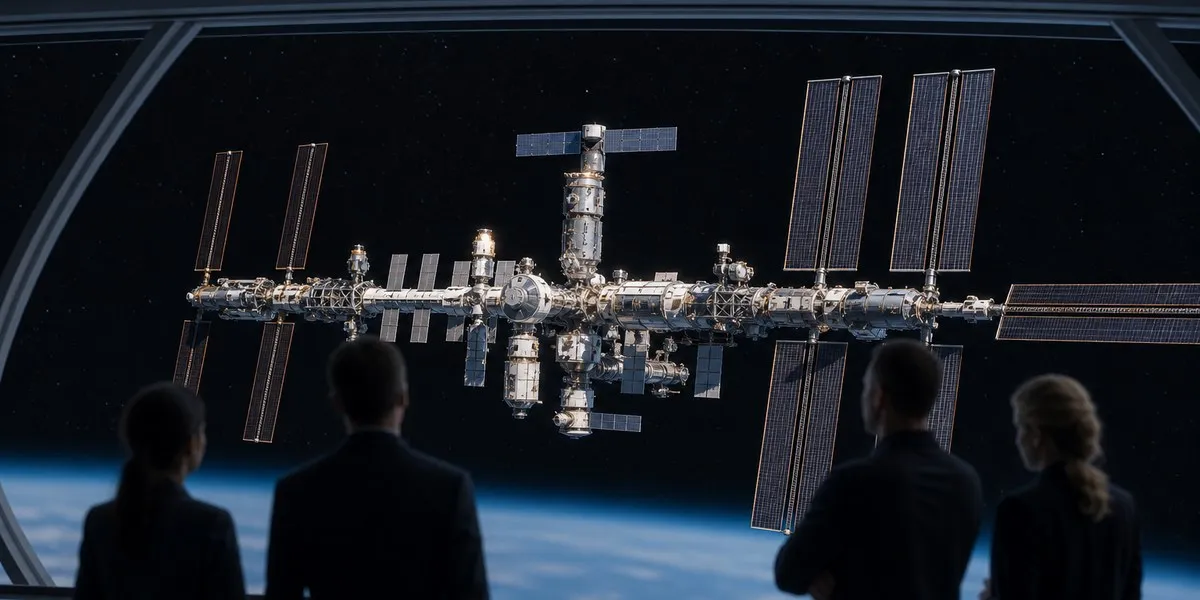
NASA in the United States has announced a competition for the commercial space industry to develop private stations in low Earth orbit. They are to become successors to the International Space Station and could begin receiving astronauts as early as 2030. Ars Technica reports.
The agency has released a 360-page request for proposals outlining requirements for future commercial orbital facilities. NASA plans to select two or more contractors at this stage of the competition. Company responses will be accepted until December 8, and the agency is expected to make its final decision in April.
Funding and next stages
Winners of the first phase will be guaranteed at least $100 million. Subsequent stages of the Commercial LEO Destinations program provide funding for the development and certification of stations, as well as the purchase of at least four NASA astronaut missions to private facilities. The future phases of the contract will be worth billions of dollars.
More current news is available on the UA.News Telegram channel Telegram.
NASA Administrator Jared Isaacman said that the agency will not abandon its presence in low Earth orbit. According to him, research must be conducted there, technologies developed, crews trained, and preparations made for missions to the Moon and Mars.
Crew and cargo transportation
In the new request, NASA does not require station operators to confirm a signed agreement or even a letter of intent with Boeing or another carrier. The agency also proposes providing transportation for the first four NASA missions to private stations.
For 2030, NASA estimates a flight with four crew members at $325 million and a cargo mission at $300 million. Among the likely participants in the competition, the publication names Axiom Space, Voyager Space, and Vast Space. Blue Origin previously received NASA funding under the program, while SpaceX, according to Ars Technica, is unlikely to submit an application at this time.




