
Satlyt tests computation allocation planning in orbit — TechCrunch
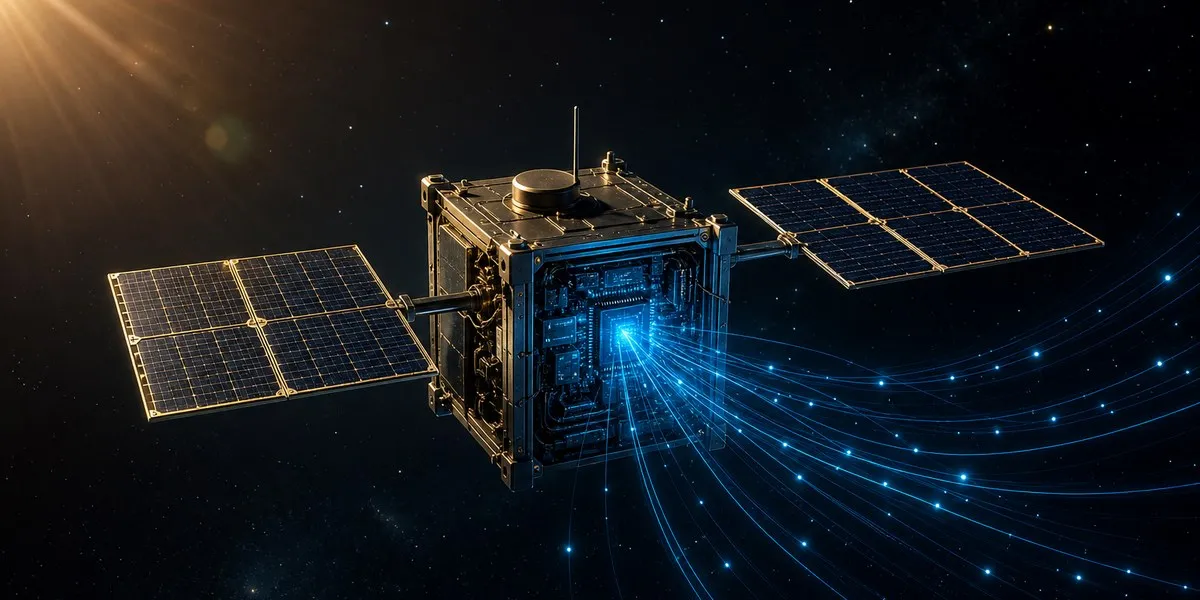
Startup Satlyt conducted a software test aboard a spacecraft in orbit, during which the system planned the allocation of computing tasks across a simulated network. The experiment was carried out jointly with the University of Houston as part of a NASA-funded research project. The system took into account the availability of computing resources and communication channels, TechCrunch reports.
Satlyt develops software for connecting multiple satellites and jointly performing computing tasks. According to the company’s founder and CEO, Rama Afullo, users of the system will define permissions, priorities, and operational constraints, while the software will make decisions within those limits.
Simulated network
During the test, the company simulated a network of four computers, four users, and eight services. The software assessed how to assign and run tasks on these computers, taking into account computing capabilities and communication availability.
Only one physical computer operated aboard the spacecraft in orbit, while the other three nodes were simulations. The test results were transmitted to Earth. The experiment confirmed that Satlyt’s software can create plans on hardware in space. At the same time, the company still has to verify how several physical computers will exchange information with one another in practice.
More current news is available on the UA.News Telegram channel Telegram.
Further testing
Satlyt’s software is already installed on three satellites. However, NASA has not yet selected the company’s technology for a specific mission. According to Afullo, the agency’s missions face limited computing resources, intermittent communications, and the need to quickly transmit useful information.
The company also identified an issue with recording delays: the system marked the time data arrived rather than the duration of the delay. Afullo noted that this does not mean the experiment failed, since the software development, its onboard execution, and the transmission of results were completed successfully.
Satlyt named broader validation and system integration as its next steps, followed by demonstrations of jointly performing computing tasks between separate spacecraft. The company also plans to test the technology under different workloads, hardware configurations, and communication conditions.




