
"Technology Has Gone Digital": Engineer Taras Vegerinsky on the Future of Diagnostics and Repair for Heavy Machinery
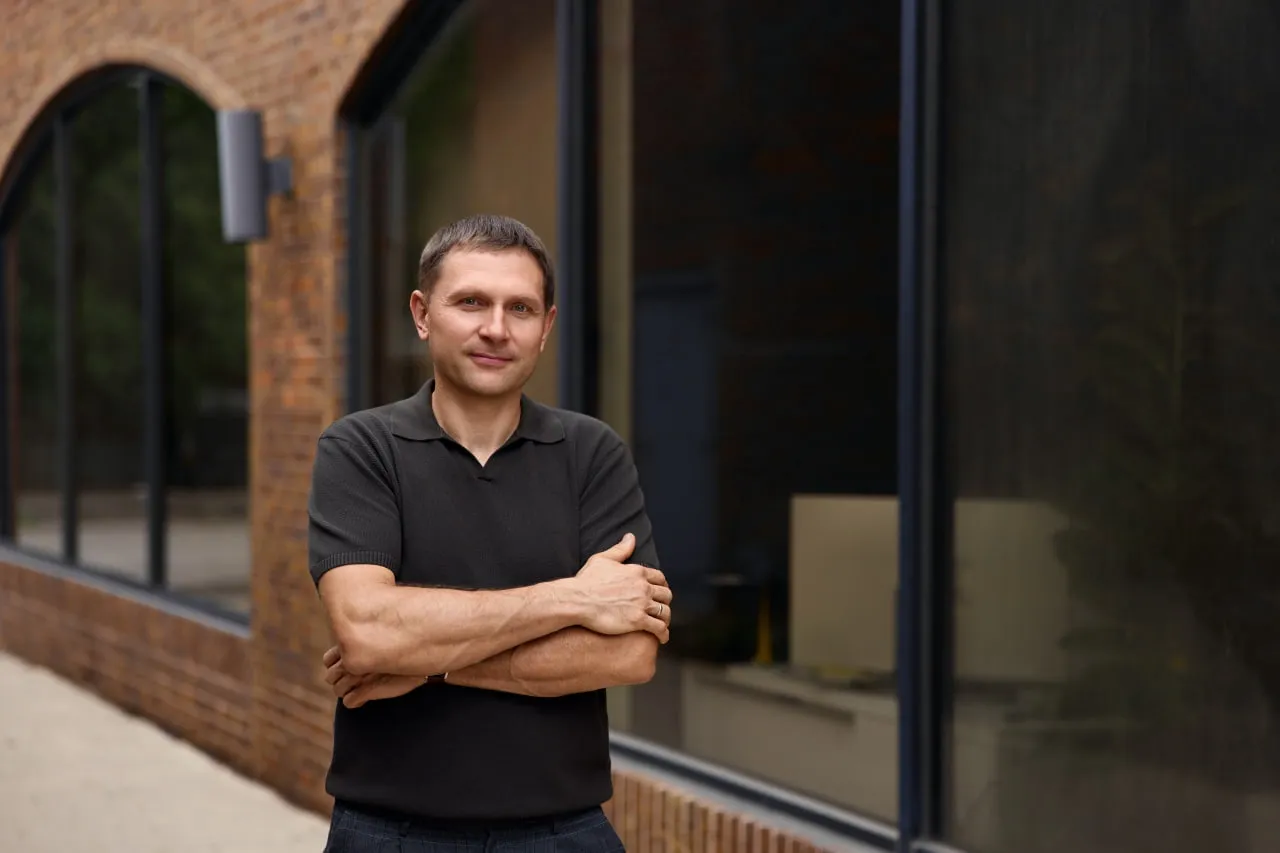
In 2025, the global market for heavy construction equipment grew significantly: its volume reached $215 billion, and it is projected to reach nearly $300 billion by 2030 thanks to accelerated infrastructure modernization and the industry’s digital transformation. Against the backdrop of this global trend, the engineering profession is also changing—rapidly shifting from the traditional mechanical engineer role to a high-tech engineering and analytical role.
We spoke about these changes with Taras Vegerinsky—an engineer with 15 years of experience and the recipient of numerous industry awards. Taras Vegerynskyi is a mechanical engineer and expert in hydraulics and pneumatics who specializes in technical diagnostics, modernization, and refurbishment of heavy construction equipment. He is a member of the editorial board of the journal “Engineering and Technologies.” Winner of the ABExpo “Engineer of the Year” award (2025) and a Senior Member of the IEEE. The IEEE (Institute of Electrical and Electronics Engineers) is the world’s largest international professional organization for engineers and researchers.
In 2025, Taras Vegerinsky presented his own scientific method for restoring the sliding and swivel frames of the rear booms on JCB backhoe loaders, CAT, Volvo, Terex, Deere, New Holland, and similar models—and today, this document is widely used in engineering circles.
The Digital Leap: How Diagnostic Methods Have Changed
Just 10–15 years ago, diagnosing heavy equipment relied primarily on a mechanic’s “instinct.” Today, things are different.
“The mechanic has long since become an IT specialist. All control units are connected via the CAN bus, and data is available in real time. It’s possible to predict a breakdown in advance, assess its severity, and make a decision—whether to shut down the machine or let it continue operating until an engineer arrives,” explains Taras.
According to him, electronic systems have brought not only convenience but also new problems—the number of random malfunctions has indeed increased. At the same time, this very fact has spurred the development of remote diagnostics: even before heading out, the engineer knows what to expect, which tools to bring, and which components are likely to require attention.
Extreme Conditions as the Norm
Taras Vegerinsky’s career has spanned dozens of projects in conditions that are far from comfortable: from cold regions to scorching quarries.
“An engineer working in extreme conditions is someone who understands the equipment better than the average person. Here, it’s important to distinguish a critical failure from an acceptable deviation and make decisions under pressure. When you’re working at a remote site, mistakes cost more,” he says.
Equally important is the ability to work without resources: there are no nearby warehouses, nor are there any standard solutions.
“Sometimes you have to come up with solutions on the spot. But an engineering solution must not only ‘work’ but also be safe. You’re responsible for both the machine and the people around it.”
Why Unusual Breakdowns Are the Norm
Modern heavy equipment operates under conditions where most failures cannot be fully described in a textbook. This is the key challenge of the profession.
“Breakdowns rarely repeat themselves. This is especially true with electrical systems: wiring can fray in a different spot each time. You’re not looking for a ready-made algorithm; you’re analyzing why the system started behaving differently,” explains the engineer.
His experience working with hydraulic systems shows that the more cases an engineer sees, the faster he can pinpoint the true cause of a problem—even if, at first glance, the symptoms point in the opposite direction.
This approach formed the basis of his scientific method for restoring the rear boom frame of backhoe loaders—a document now used by independent service providers and diagnostic engineers.
The Future of the Industry: The Engineer as a Data Analyst
According to Taras Vegerinsky, the engineer of the coming years is not just a person with a set of wrenches and a laptop. He is a specialist who works with large datasets, predicts wear and tear, and makes decisions based on machine behavior models.
“Technology has gone digital. New engineers will increasingly work with analytics, and the machines themselves will tell us what’s going on inside. But the main thing won’t change: a deep understanding of how machinery works remains a key skill,” Taras concludes.




