
Virgin Galactic unveils Delta-class spaceplane Apeiron — Space.com
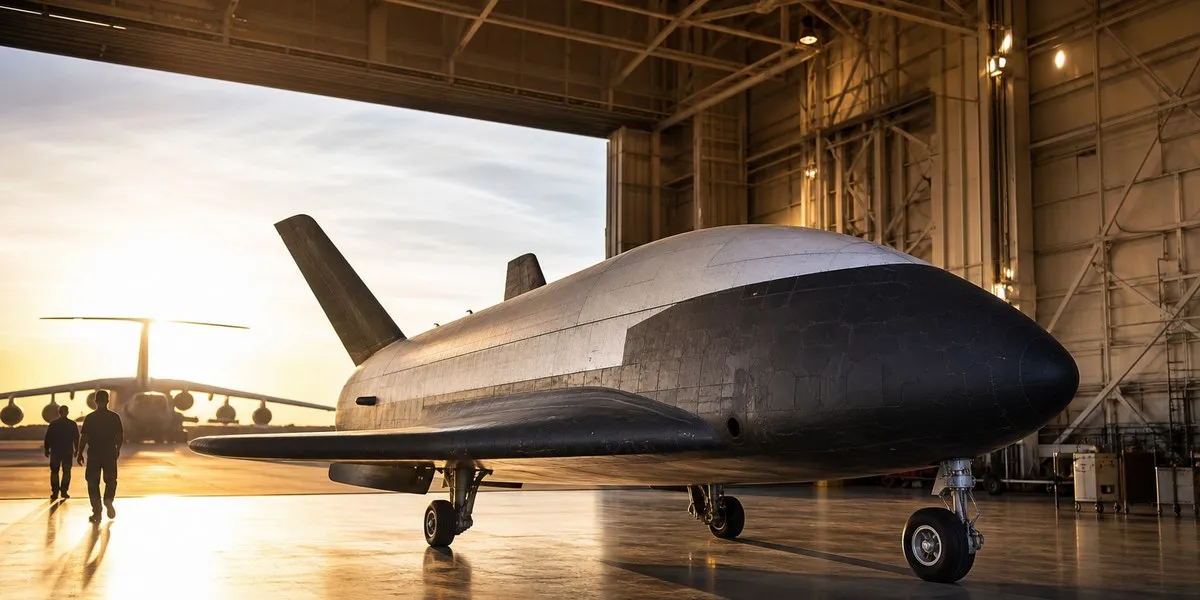
In the United States, Virgin Galactic has unveiled the first spaceplane of the new Delta class, named Apeiron. The name, derived from the ancient Greek word for “boundless,” was chosen following an open vote involving thousands of people from 83 countries across six continents, Space.com reports.
Apeiron won among four finalists: Horizon, Explorer and Ascend. The company selected these options from 276 proposals submitted by its employees. Virgin Galactic CEO Michael Colglazier said the name reflects the aspirations of human spaceflight and the opportunities it opens up for humanity.
Preparations for flight tests
On October 28, the spaceplane was to be transported from the manufacturing site in Mesa, Arizona, to Spaceport America in New Mexico. To do this, Apeiron will be attached to the VMS Eve carrier aircraft. At the spaceport, engineers are to complete work on the avionics software before flight testing begins.
More current news is available on the UA.News Telegram channel Telegram.
The new vehicle is intended to replace VSS Unity, which completed seven suborbital missions in 2023–2024. Virgin Galactic suspended VSS Unity flights to focus on developing Apeiron and hopes to resume flights with customers in mid-2027.
Plans for commercial flights
Each Delta-class spaceplane is designed for a maximum of six passengers. Once regular operations begin, the company plans to conduct up to eight flights per month with each such vehicle. A second Delta spaceplane is already being built; it is expected to arrive at Spaceport America at around the time Virgin Galactic resumes passenger flights.
According to the company’s reporting for the second quarter of 2026, about 675 customers are waiting for seats on suborbital flights. More than 100 future passengers have already begun initial training. The cost of one seat currently stands at $850,000, Latte reports. Apeiron and other Delta vehicles are not intended to reach orbit: they are to make short suborbital flights above the internationally recognized Kármán line at an altitude of 100 kilometers, providing passengers with several minutes of weightlessness.




