
Magnetic Storms, November 16–22, 2026: Forecast and Impact on Well-Being
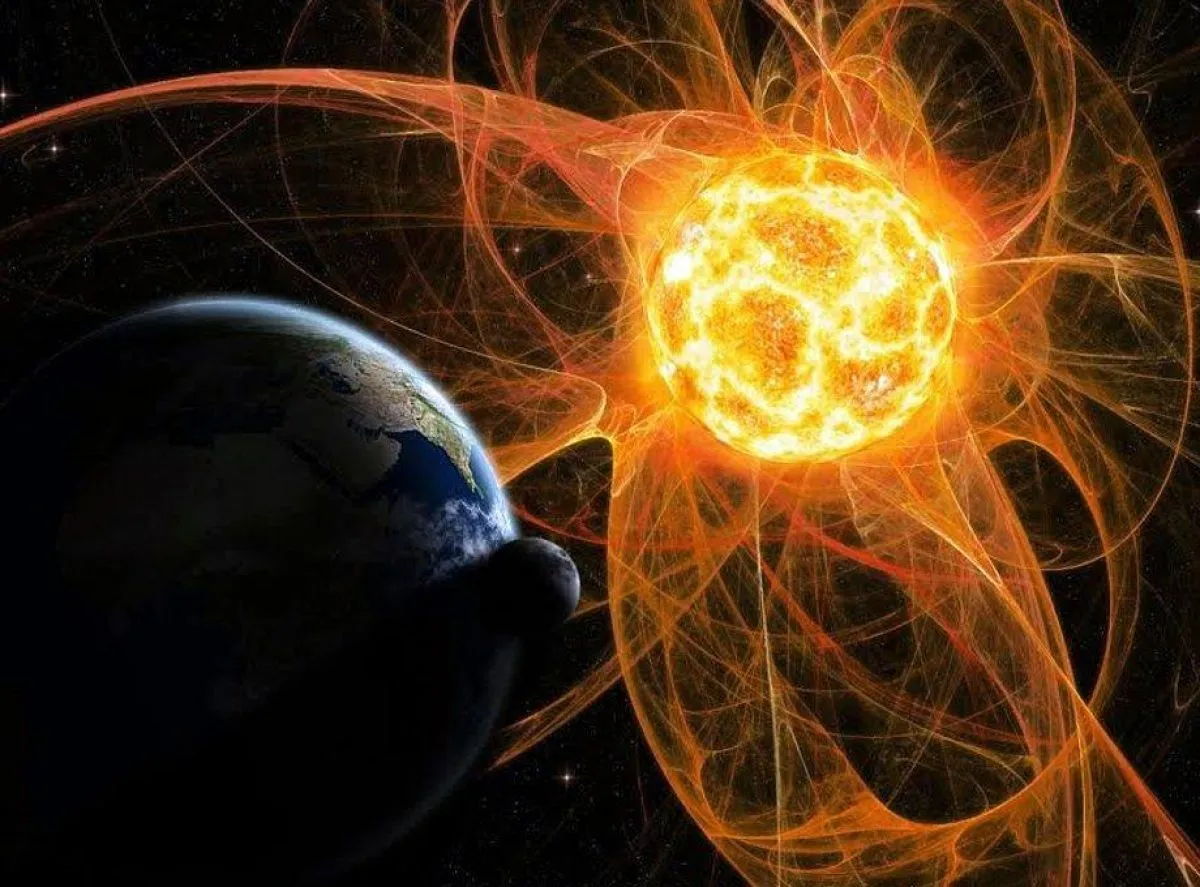
The third ten-day period of November will begin with moderate solar activity, which will develop into significant geomagnetic disturbances by midweek and then subside as the weekend approaches. Throughout the week, there will be both periods of increased stress on the bodies of weather-sensitive people and calm days for recovery.
Detailed geomagnetic forecast by day
November 16 (Monday). The week will begin with minor geomagnetic fluctuations at a level of 3 points (green level). Conditions will remain under control, though sensitive individuals may experience mild drowsiness or reduced concentration in the morning.
November 17 (Tuesday). A moderate increase in solar activity is forecast, reaching 4 points (yellow level). Such fluctuations can trigger headaches, fatigue, emotional instability, and slight fluctuations in blood pressure.
November 18–19 (Wednesday–Thursday). The week’s peak geomagnetic activity is expected at level 5 (red level, G1-class magnetic storm). A powerful stream of solar wind may cause a decline in well-being, dizziness, joint aches, sleep disturbances, and exacerbation of chronic cardiovascular diseases.
November 20 (Friday). Geomagnetic disturbances will begin to subside but will still remain at level 4 (yellow level). The body will continue to adapt after the peak stress, so feelings of exhaustion and weakness are possible.
November 21–22 (Saturday–Sunday). The intensity of geomagnetic fluctuations will decrease to 3 points on Saturday and to 2 points on Sunday (green level). The Earth’s magnetosphere will fully stabilize, creating favorable conditions for a restful weekend.
What Is a Magnetic Storm
Magnetic storms are disturbances in the Earth’s magnetic field caused by the planet’s interaction with solar wind streams. When powerful solar flares occur on the Sun, a huge number of charged particles are ejected into space, reaching the Earth’s atmosphere within 1–3 days. The interaction of solar plasma with the Earth’s magnetic field causes fluctuations that can last from a few hours to several days in a row, and is assessed on a scale from 0 to 9 on the K-index—an international index that measures the level of geomagnetic activity and the intensity of magnetic storms on Earth.
Readings from 0 to 2 correspond to a calm geomagnetic field. Values of 3 and 4 indicate minor or moderate disturbances, which are usually noticed only by weather-sensitive people. Starting at 5 points, a geomagnetic storm is recorded (red level): readings of 5–6 points indicate a weak or moderate solar storm, while levels from 7 to 9 indicate a strong, very strong, and extreme magnetic storm.
Recommendations During Magnetic Storms
On days of increased geomagnetic activity, it is advisable to monitor blood pressure regularly and keep necessary medications on hand if you have cardiovascular diseases. It is important to reduce physical and emotional stress, avoid overexertion, conflicts, and stressful situations, and maintain a consistent sleep schedule of at least 7–8 hours per day. To maintain vascular tone, drink plenty of clean water, avoid alcohol, energy drinks, and excessive amounts of coffee, and opt for light meals and walks in the fresh air.
Source: U.S. Space Weather Prediction Center (NOAA SWPC).
See also:
Mushroom Hunter’s Calendar for November 2026: What and When to Harvest.
The Winemaker’s Calendar for November 2026: Harvesting Late Varieties and Seasonal Tasks.
The Gardener’s Calendar for November 2026: Secrets and the Best Days for Gardening.
The November 2026 Angler’s Calendar: Highlights and the Best Days for Fishing.
Lunar Calendar for November 2026: Unfavorable and Favorable Days.




