
Magnetic Storms in November 2026: Dates to Be Cautious On
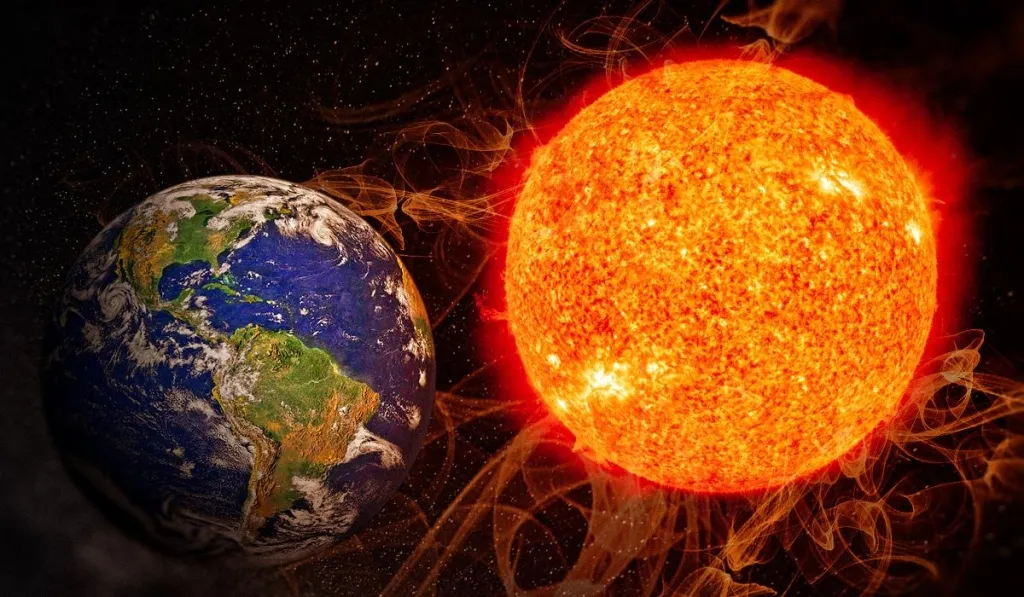
November 2026 will see relatively moderate geomagnetic activity, although the Sun continues to be in the phase of heightened activity of the 25th solar cycle. For most of the month, geomagnetic conditions will remain calm, but astrophysicists predict several brief periods of heightened activity caused by coronal holes and solar flares. No extremely powerful geomagnetic storms are expected in November, but people who are sensitive to weather changes should be aware of certain unsettled days.
What Is a Magnetic Storm?
Magnetic storms are disturbances in the Earth’s magnetic field caused by the planet’s interaction with solar wind streams. When powerful solar flares occur on the Sun, a huge number of charged particles are ejected into space, reaching the Earth’s atmosphere within 1–3 days. The interaction of solar plasma with the Earth’s magnetic field causes fluctuations that can last from a few hours to several days in a row, and is rated on a scale from 0 to 9 on the K-index—an international index that measures the level of geomagnetic activity and the intensity of magnetic storms on Earth.
Geomagnetic Activity Forecast by Decade
The first ten-day period of November will begin with minimal solar activity. From November 1 through 3, Earth’s geomagnetic field will remain calm with a Kp index of about 2, which is considered a favorable period for any activities. The first noticeable fluctuation is expected from November 4 to 6, when, under the influence of a fast solar wind, the Kp index will rise to 4. Mild residual disturbances may also be observed on November 7 and 8.
The second ten-day period of the month will be the most favorable and stable. From November 9 to 20, scientists predict a prolonged geomagnetic lull. During this period, the solar field will exhibit minimal activity, creating comfortable conditions for people who are sensitive to weather changes or have chronic illnesses.
The third ten-day period of November will be marked by the strongest surge in solar activity of the entire month. Instability will begin to increase on November 21, and a G1-level geomagnetic storm with a Kp index of 5 is expected as early as November 22. Elevated geomagnetic activity will persist on November 23 and 24, after which activity will begin to subside. A final weak disturbance with an intensity of 3–4 points is possible at the end of the month, on November 28.
This information is available on the website of the U.S. Space Weather Prediction Center.
Recommendations During Magnetic Storms in November
Monitor your blood pressure: Keep necessary medications on hand if you have hypertension or cardiovascular disease.
Reduce stress: During peak activity (November 22), avoid strenuous physical labor and stress.
Stay hydrated: Drink more water and limit your intake of coffee, energy drinks, and alcohol.
Spend time outdoors: Evening walks will help oxygenate your blood and make it easier to fall asleep.
Take a contrast shower: If there are no contraindications, this will help maintain vascular tone.




