
Swallows that did not migrate were spotted in the Odesa region
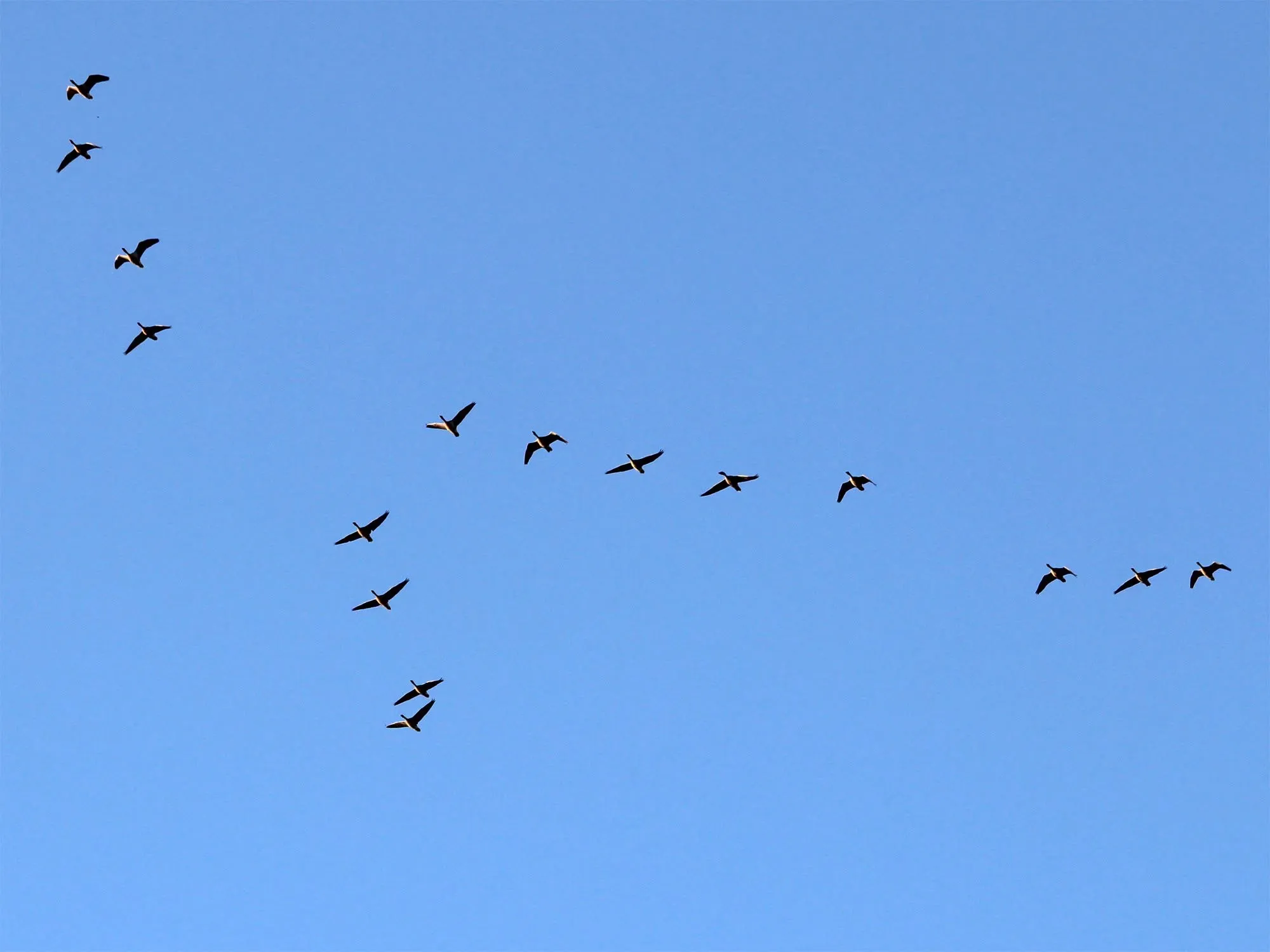
On October 26, swallows that had not yet migrated to warmer climates were spotted in the Odesa region. An ornithologist explained that the birds may have stopped to rest before their long flight, and that the warm weather and availability of food prompted them to stay.
A flock of swallows that had not yet migrated to warmer climates was observed in the Lower Dniester National Nature Park in the Odesa region. The birds may have lingered for several reasons.
According to the nature reserve, on October 25, a small flock of city swallows, or barn swallows, was spotted near the church in the village of Mayaki. The birds were chirping lively and circling in the air, which caught the attention of experts.
Serhiy Kurochkin, acting head of the national park’s scientific department, an ornithologist, and a candidate of biological sciences, explained why the swallows are still in Ukraine, even though most of their relatives have already left for Africa.
“Of course, city swallows usually migrate in August and September, so their appearance in late October is an unusual occurrence. There could be several reasons for the delay,” the expert noted.
One reason could be the prolonged warm autumn weather. Swallows feed on insects, which they catch in flight. If the weather remains warm and there is plenty of food, the birds may postpone their departure, the scientist explained.

The birds’ behavior may also have been influenced by the late rearing of chicks. If some pairs began breeding later, the young birds would also have fledged later. However, this theory requires further observation.
In addition, Kurochkin drew attention to the unique climate of the Lower Dniester. The river, floodplains, and lakes create favorable conditions for insects to thrive. These bodies of water store summer heat and release it in the fall. Thanks to this, swallows can still find food and build up their strength before continuing their migration.

The local microclimate may be more favorable than in regions where it has already turned cold, creating the illusion of a continuing summer for the birds, the researcher added.
According to him, the Dniester Delta is a southern migration hub and a natural corridor for migratory birds. Swallows from all over Ukraine travel south along this very route.

“This flock near the church may have simply stopped in Mayaky to rest before the arduous journey through Romania and Bulgaria. Since this is the south and there is a river with floodplains nearby, the swallows have an excellent chance to regain their strength. However, they have very little time—any significant cold snap will force them to move on immediately,” the expert emphasized.
Source: Lower Dniester National Nature Park
Earlier, a herd of rare Przewalski’s horses was spotted near Chernobyl.
Meanwhile, in Mykolaiv, a tigress that had escaped from a zoo enclosure was captured.
As a reminder, an Amur tiger escaped from a zoo enclosure in Mykolaiv.
Earlier in Kharkiv, a monkey escaped from the zoo and roamed the city.
At the Ukrainian-Slovak border, camera traps captured a tiger that had escaped from a farm in the village of Strychava in Zakarpattia.




