
Czech President Pavel calls US-Russia diesel deal a mistake — Politico Europe
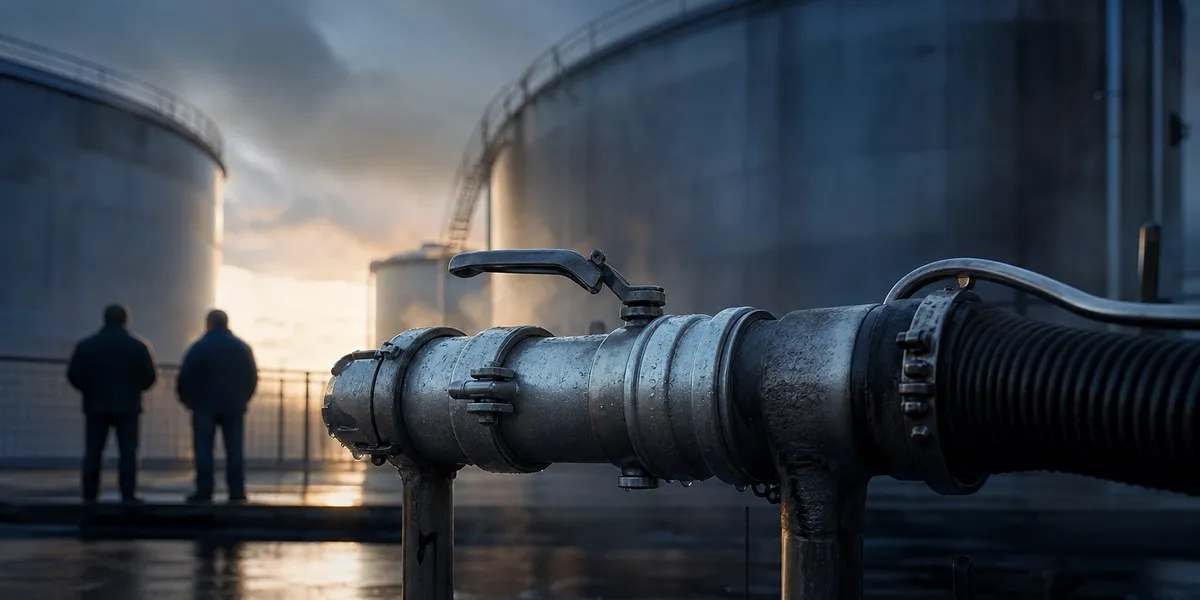
Czech President Petr Pavel said that the agreement between the United States and the Russian Federation — an aggressor state — on diesel fuel supplies complicated the prospects for a ceasefire between Ukraine and Russia. According to him, before US President Donald Trump lifted sanctions on Russian diesel, the sides were quite close to a truce.
In an interview with Politico Europe, Pavel said that coordinated US and European sanctions against Russian oil, oligarchs and other sectors had put pressure on Moscow. At the same time, the deal announced in early October, under which Russia is to supply hundreds of thousands of tonnes of diesel to the United States, in his view gave Moscow time to catch its breath and a moral incentive.
The White House’s position
The White House said that Trump had successfully secured supplies of significant volumes of diesel in order to provide the global market with fuel and reduce prices. The agreement drew criticism: a bipartisan group of US senators called on the US president to cancel it.
More current news is available on the UA.News Telegram channel Telegram.
Ukrainian President Volodymyr Zelenskyy said in a social media post that the arrangement plays into Russia’s hands and enables it to wage the war for longer. He also accused Trump of using peace talks in Florida as cover while the US administration advanced the deal with Russia.
Petr Pavel’s assessment
Pavel did not call the US actions a betrayal of Ukraine or European partners, but described the decision as a mistake. In his view, it gives Moscow hope that it can ignore Europe and Ukraine by focusing on arrangements with the United States, and potentially with China as well. The Czech president believes such a scenario runs counter to Europe’s interests.
Pavel also stressed that Ukraine became a victim of the war because it was Russia that carried out the attack. He did not rule out the resumption of regular economic relations between Europe and Russia in the future, but only provided that it respects the sovereignty and borders of other states.




