
ACLED: Eritrean troops withdrew from Adigrat in Ethiopia — Jerusalem Post
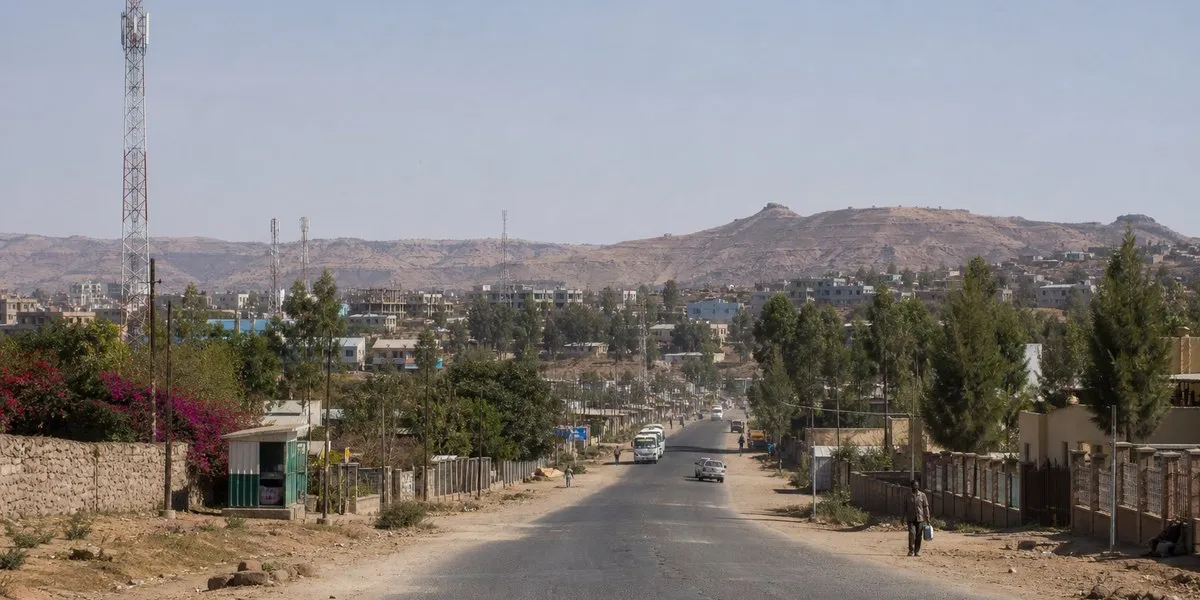
Eritrean troops have withdrawn from the city of Adigrat in Ethiopia’s northern Tigray region. This was reported by the Jerusalem Post, citing the Armed Conflict Location & Event Data Project (ACLED).
According to ACLED, drones likely launched by Ethiopian government forces struck Eritrean military personnel, equipment and ammunition near Adigrat on Wednesday night and Thursday morning. The organization also reported that Eritrean units crossed the border in the Zalambessa area and were moving toward the road between Adigrat and Idaga-Hamus.
Accusations by the sides
In a letter to the UN Security Council dated October 8, Ethiopian Foreign Minister Gedion Timothewos accused Eritrea of invading the country’s territory and demanded the withdrawal of its troops. Addis Ababa said Eritrean forces had advanced 60 kilometers into Ethiopia.
Eritrean Information Minister Yemane Gebremeskel rejected these accusations and said Ethiopia was looking for a pretext for war. By Friday, according to ACLED, Eritrean troops had withdrawn from Adigrat, while Ethiopian government forces and their allies had established control over Idaga-Hamus. Control over territories in Tigray had been changing rapidly for several consecutive days.
More current news is available on the UA.News Telegram channel Telegram.
Tensions over the Red Sea
On October 1, Ethiopia closed its embassy in Eritrea and expelled ten Eritrean diplomats. After that, Asmara severed diplomatic ties with Addis Ababa.
The U.S. State Department called on both countries to exercise restraint and warned that further escalation could affect Washington’s cooperation with them. The U.S. Embassy in Addis Ababa also warned American citizens about possible long-range strikes on military facilities in the Ethiopian capital.
The confrontation is taking place amid a dispute over Ethiopia’s access to the Red Sea. The country lost its coastline after Eritrea gained independence in 1993. At a meeting in Egypt’s New Alamein, Egypt, Sudan, Eritrea and Somalia agreed to continue consultations and stated that responsibility for the security and governance of the Red Sea belongs to coastal states.




