
An American startup has raised $200 million to clone dogs for the military
The Texas-based startup Warhound has raised $200 million in funding and reached a valuation of $1.2 billion. The company plans to clone and genetically edit service dogs for the U.S. military, law enforcement, and emergency responders. The funding round was announced on October 22, 2026.
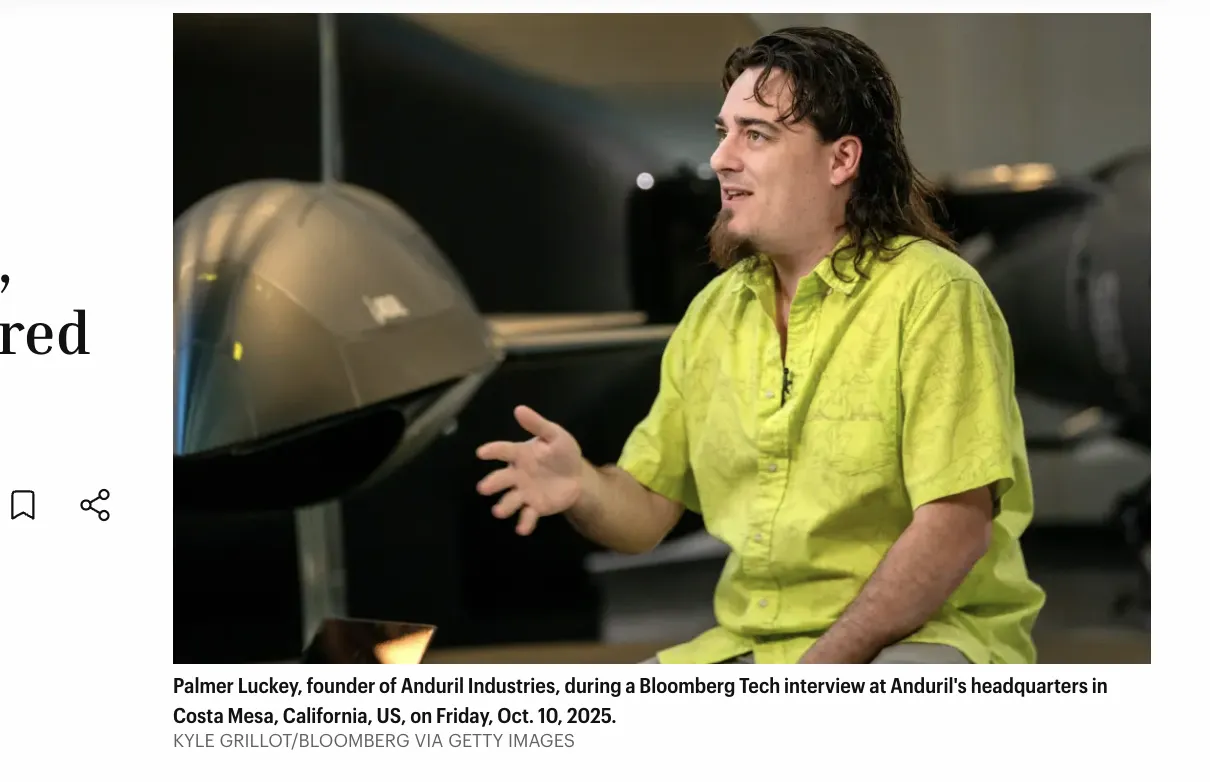
Palmer Lucky, founder of the defense company Anduril, responded to criticism of the Warhound project.
Palmer Lucky spoke out against critics of Warhound, an idea he developed together with Colossal Biosciences CEO Ben Lamm. After the announcement, the project faced online criticism, and Lucky defended it in a post on X. He emphasized the protective gear and genetic modifications aimed at improving the dogs’ health.
“What exactly don’t you like about it? Hearing protection? Eye protection? Body armor? Or genetic modifications that reduce the risk of cancer and joint problems? It’s no wonder the American Humane Society supports this,” Lucky wrote.
The company attributes its initiative to the challenge of supplying service dogs to the U.S. Army. According to Warhound, the U.S. Army established the K-9 Corps in 1942, and the Department of Defense’s service dog program now includes more than 2,200 dog teams.
More than 80% of military dogs are sourced from Europe. Less than half of the dogs purchased are deemed fit for service after an approximately three-year procurement and training cycle. Therefore, for every 100 dogs in active duty, the Army must purchase and train about 200. Lamm told Fortune that the U.S. competes with other countries, including China and Russia, for the same dogs.
Warhound will proceed in phases. First, the company will identify the best dogs that have completed training, store their genetic material in a biobank, and clone the proven animals. At the same time, it plans to conduct targeted gene editing.
They plan to start with the two breeds most commonly used by the military: the Belgian Malinois and the German Shepherd. The company states that it will screen out known harmful genetic variants associated with muscle degeneration and other hereditary diseases. This way, no dog will enter service with genetic markers for common conditions that could end a service animal’s career, such as hip dysplasia.
Lamm says the company is still determining which other traits can be responsibly modified through gene editing. He mentioned possible future improvements in speed, agility, and sense of smell for tasks such as detecting explosives.
The first group of dogs has already been added to the biobank, and their genetic material is currently being edited. Viagen—a cloning company owned by Colossal—is assisting with the breeding of the animals. Lamm expects the first dogs to be born early next year and to enter service in about two years.
According to Lamm, Anduril’s role lies “on top of the dog, not inside the dog.” The defense company supplies eye and hearing protection, body armor, and ensures integration with the Eagle Eye system so that the dogs, handlers, and autonomous systems operate as a single team. The vests will be equipped with sensors that transmit information to the handlers.
The American Humane Society will certify Warhound’s training programs and help reunite retired dogs with their former handlers through the Military Working Dog Reunification Program.
Lucky and Lamm developed the concept following a conversation at Peter Diamandis’ Moonshots Summit. Lucky has no stake in Warhound, Anduril does not own any shares in the company, and Colossal licenses its technology to Warhound and has a financial interest.
Warhound is led by David Spirk, a former Marine who served as the first Chief Data Officer for U.S. Special Operations Command and later for the Pentagon. The company’s investors include In-Q-Tel, Sequoia Capital, ARK Invest, Franklin Templeton, 8VC, and Lux Capital.
The company has already held briefings for government agencies, but does not yet have any signed clients and has not set a price per dog. It is discussing a “Canine-as-a-Service” model, under which the government would purchase a steady stream of trained dogs. Warhound plans to build a nationwide infrastructure for housing and training the animals, starting with private capital.
Source: Fortune
As a reminder, the Boston-based startup Atomic raised $12.5 million.
The American startup Reliable Robotics raised $115 million for its autonomous driving system.
Dealroom forecasts a record $10.5 billion for European defense startups.




