
Plague killed hunter-gatherers in Siberia 5,500 years ago
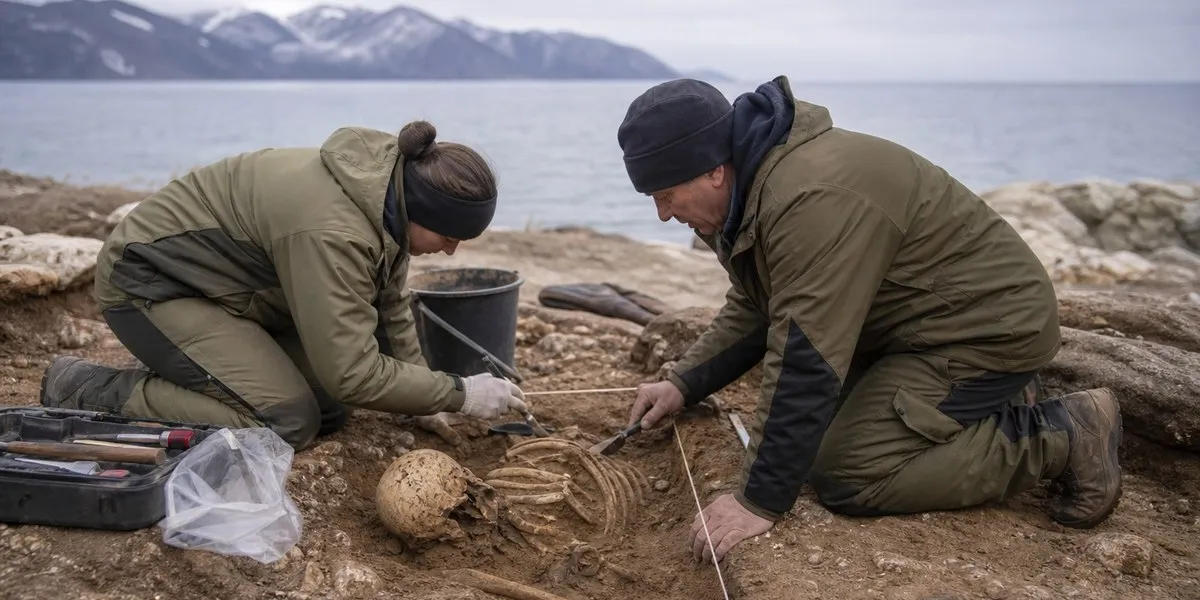
An international group of researchers has found traces of the plague-causing bacterium Yersinia pestis in the remains of hunter-gatherers from four burial sites near Lake Baikal in Eastern Siberia. The data indicate that deadly disease outbreaks occurred there about 5,500 years ago — long before the emergence of cities and the spread of bubonic plague through fleas and rodents.
ScienceDaily reports on the results of the study published in the journal Nature. The scientists analyzed ancient DNA preserved in human teeth and also combined genetic data with archaeological analysis and radiocarbon dating.
Plague DNA in 18 people
Yersinia pestis DNA was detected in 18 of the 46 individuals studied — nearly 40% of the people whose remains were analyzed. This is a proportion higher than figures reported for some medieval burials associated with plague.
At the two largest burial grounds, archaeologists found an unusually high number of burials of children and adolescents who died within a short period. Radiocarbon dating indicated that many deaths occurred close together in time. In some cases, biological siblings likely died together, while other burials contained parents and children who may have died during the same outbreak.
More current news is available on the UA.News Telegram channel Telegram.
A genetic virulence factor
It was previously believed that early plague strains were unlikely to cause severe outbreaks because they lacked certain genetic traits that later enabled bubonic plague to spread efficiently through fleas and rodents. However, in the ancient strains identified, scientists found a distinctive superantigen — a genetic factor associated with toxin production that has not been detected in historical plague strains.
Superantigens can trigger an exceptionally strong immune-system response, severe inflammation, and make an infection more dangerous. According to the study’s authors, the combination of virulence factors could have made the infection highly lethal even without an efficient mechanism of transmission through fleas.
Archaeological evidence also points to close contact between residents of the Baikal region and marmots — large rodents that still carry plague today. The researchers suggest that some prehistoric outbreaks may have begun after direct transmission of the infection from infected marmots to humans.


