
COP17 in Yerevan: 18.7% of land protected instead of the 30% target — Mongabay
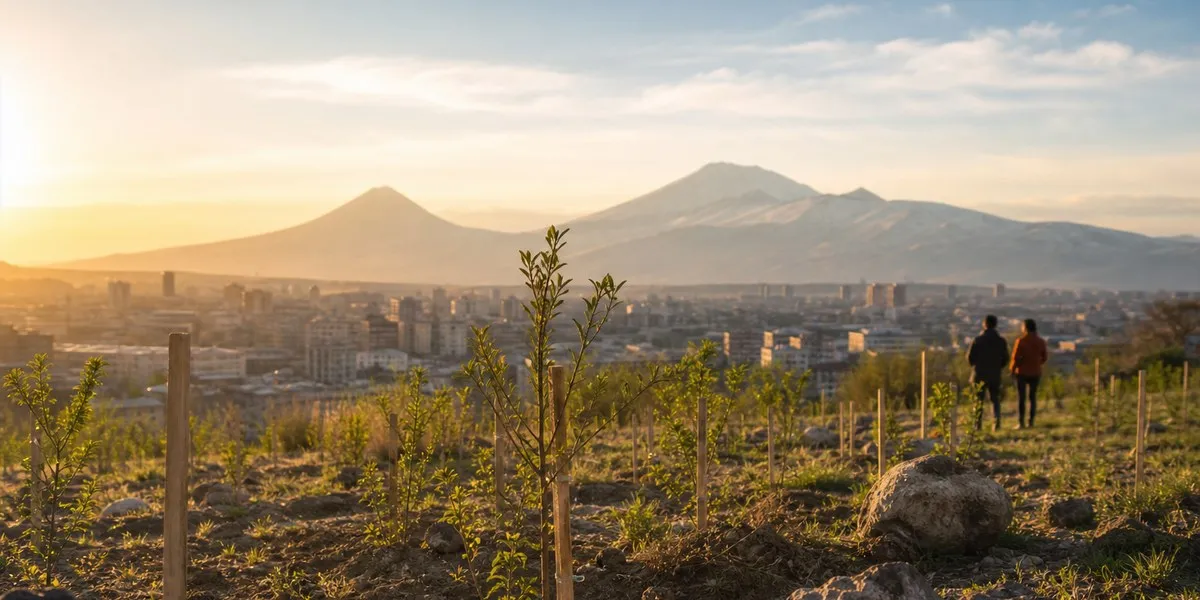
At the COP17 biodiversity summit in Yerevan, Armenia, delegates are assessing progress toward the global “30 by 30” target — conserving 30% of land and the World Ocean by 2030. According to Mongabay, 18.7% of the planet’s land and inland waters currently have protected status, as does about 10% of the ocean.
Since 2022, more than 1 million square kilometers of new protected terrestrial areas have been added to the Protected Planet database. At the same time, the pace of expanding protected areas is insufficient to reach the target. In total, more than 25 million square kilometers of land and inland waters are under protection.
Commitments and funding shortfall
The Global Biodiversity Framework was adopted in Montreal in 2022, and 196 participating countries committed to protecting 30% of land and ocean by 2030. According to Campaign for Nature, 132 participating countries have made formal commitments to protect a specified share of land. If implemented, these commitments would cover 27% of the planet’s land, but they require concrete national action.
Latin America already has 29% of its land covered by protected areas, while Oceania has 24%. According to the assessment, more than 50 countries protect at least 30% of their land. At the same time, only 14% of species threatened with extinction have adequate habitat protection. About $24 billion is spent annually on protected and conserved areas, compared with a need for $100–180 billion.
More current news is available on the UA.News Telegram channel Telegram.
Debate over Indigenous peoples’ lands
One possible way to achieve the target that summit participants are considering is recognizing the contribution of Indigenous peoples’ territories and traditional communities to nature conservation. Currently, such territories are generally counted toward the “30 by 30” indicators only when they have the status of a protected area or another effective area-based conservation measure.
Supporters of the new approach propose allowing communities to independently designate parts of their lands that can be counted toward the target, provided that nature conservation is confirmed. Modeling published in Nature Communications showed that prioritizing such territories could increase the overall protection figure to about 36% while significantly reducing the share of agricultural land affected by the expansion of protected areas.
In Liberia, this debate has already emerged around the proposed Kwa National Park, covering 172,000 hectares. The Wild Chimpanzee Foundation and the Forestry Development Authority of Liberia, with EU support, seek to create the park to protect chimpanzees, forest elephants and pygmy hippos. At the same time, the Forest Peoples Programme and the SESDev organization state that the process should be postponed until surrounding communities have the opportunity to formalize land rights.




